

Are Hotel and Cruise Ship Safes Really Safe?
They aren't bank vaults. But that doesn't mean you shouldn't use them.
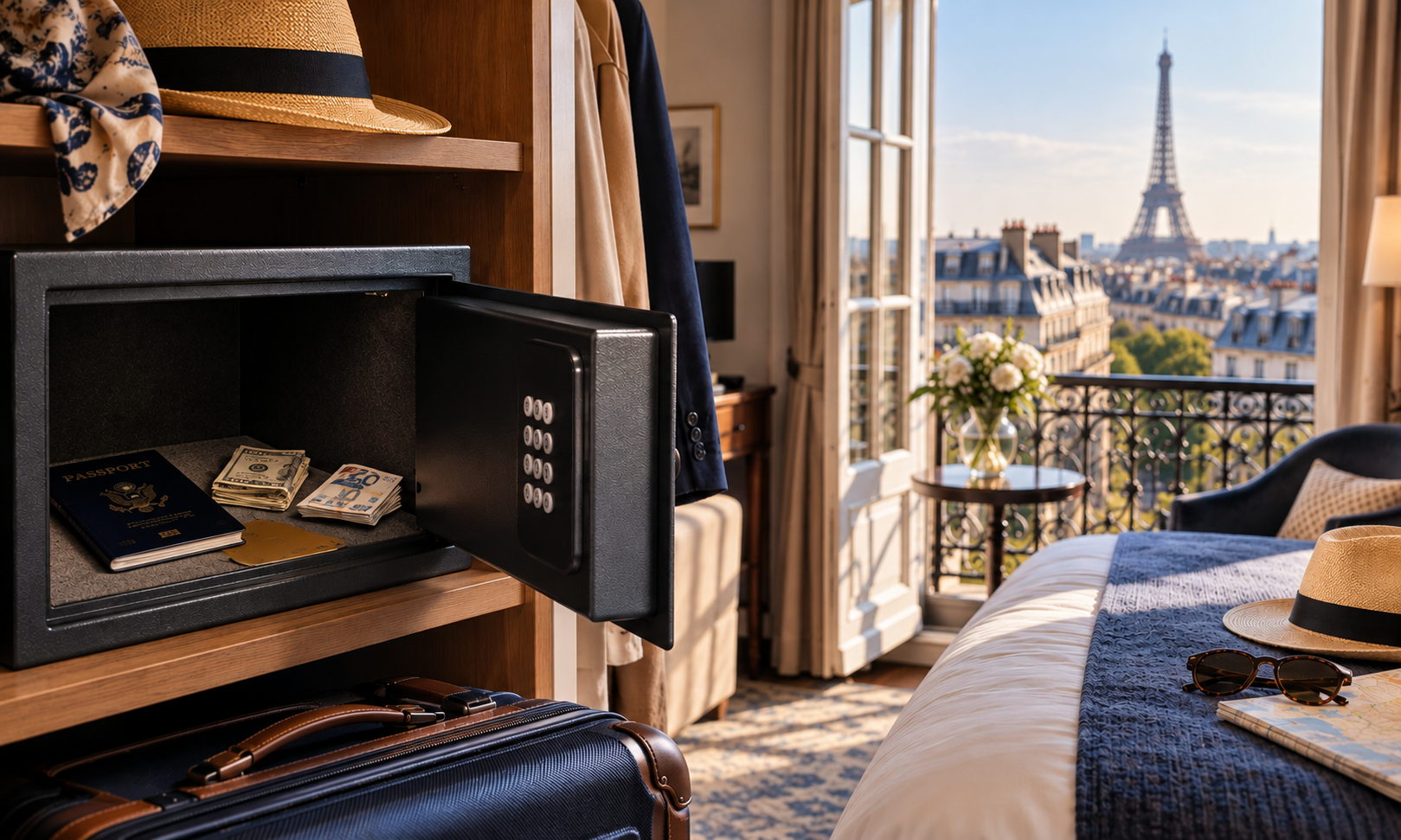
You're in Paris. It's a beautiful morning, and you've got a full day of sightseeing planned.
The Louvre, Montmartre, perhaps a leisurely lunch at a sidewalk café.
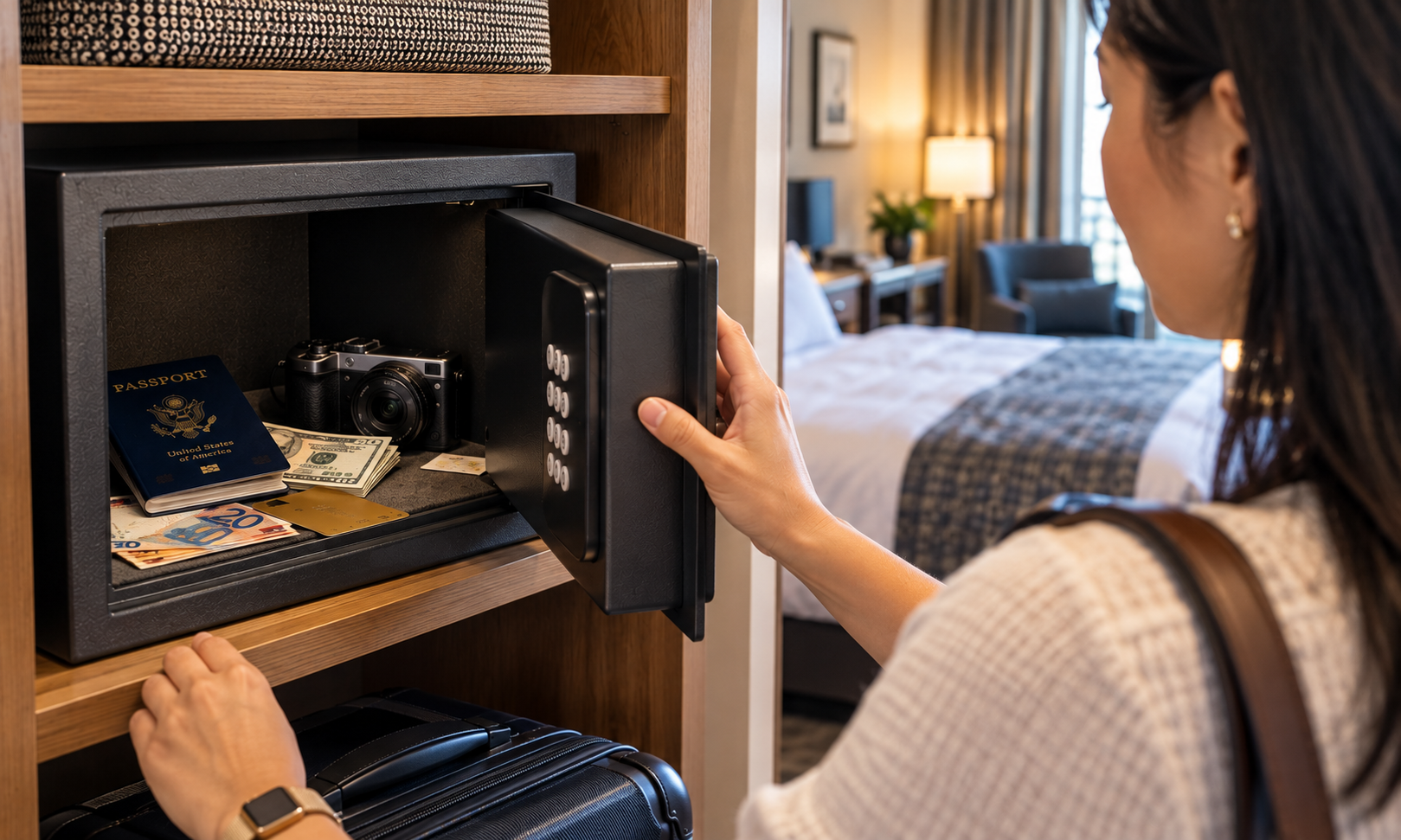
Before heading out, you gather a few things you won't need during the day. Some extra cash, a spare credit card, perhaps your passport and a small camera.
There's a little electronic safe tucked inside the hotel closet.
You put everything inside, punch in your code, and close the door.
But just how safe is that safe?
Could someone from the hotel open it? Could a thief break into it? And if something disappeared, would the hotel be responsible?
The same questions come up aboard cruise ships, where passengers routinely leave valuables in their cabin safes while heading to dinner, the pool, or ashore for the day.
Here's how I look at it.
Hotel and cruise ship safes help keep honest people honest.
They aren't designed to protect the crown jewels. They're there to discourage casual theft, keep your belongings out of sight, and give you one less thing to carry around.
And for most travelers, that's exactly what they need.
The Little Safe in Your Room
You've probably seen them. A small electronic box tucked inside a closet, mounted on a shelf, or hidden in a cabinet.
You put your valuables inside, punch in a four- or six-digit code, close the door, and head out to enjoy your day.
But here's something worth understanding: That safe isn't a bank vault.
Many hotel and cruise ship safes have an emergency override system. If you forget your code or the electronics malfunction, authorized personnel may be able to open it.
That's not necessarily a design flaw. It's a practical feature.
And depending on how a safe is installed, it may not be particularly difficult for a determined thief to defeat or remove it.
So why use one?
Because that's not really what these safes are designed to prevent.
Keeping Honest People Honest
Think about it.
You leave your hotel room for the day. Housekeeping comes in to clean. Perhaps maintenance needs access to fix something.
You have a hundred dollars sitting on the nightstand.
Now, I don't believe the average housekeeper at a reputable hotel is looking to steal your money. Most hotel and cruise ship employees are simply doing their jobs.
But why leave that money sitting out?
Put it in the safe.
The same goes for spare cash, credit cards you're not using, and other small belongings.
You've removed an unnecessary opportunity for something to disappear, and you've made it easier for the people working in your room to do their jobs without valuables scattered around.
Does that mean nobody could possibly open the safe and steal your money?
Of course not.
But there's a big difference between recognizing that something is possible and spending your vacation worrying that it's going to happen.
Street smart doesn't equal paranoia.
What About the People Who Have Access?
One of the more common concerns about hotel safes is that employees may have access to an override code or key.
That's true for many systems.
But consider why that access exists.
Guests forget combinations. Batteries fail. Safes malfunction. Someone checks out and leaves a passport locked inside.
A hotel or cruise line needs a way to resolve those situations.
Reputable operations have good reasons to control who can access safes and how that access is handled. Theft complaints are bad for business, and staff theft can have serious consequences.
Does that make every employee trustworthy or every property equally secure? No.
But it also doesn't mean that someone is waiting for you to leave so they can empty your safe.
I don't spend my vacations treating housekeeping or cabin stewards as suspects.
I use the safe, take reasonable precautions, and get on with enjoying my trip.
The Safest Valuable Is the One You Left at Home
Here's where I think travelers can make an even bigger difference.
Before worrying about how to protect something valuable on vacation, ask yourself why you're bringing it.
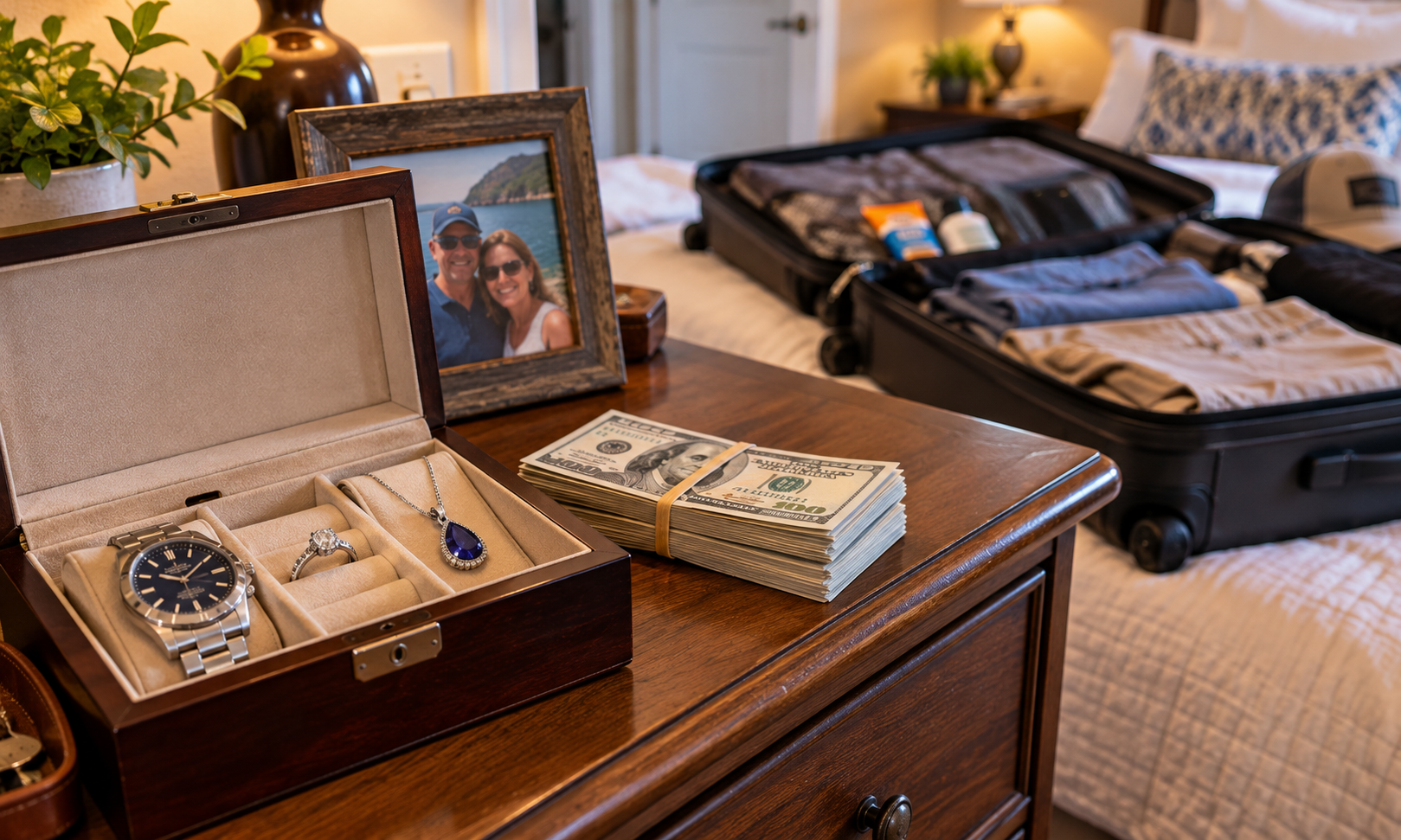
Your Rolex collection?
Probably doesn't need to accompany you on a mission trip to Haiti.
Your collection of thousand-dollar bills?
I'd leave that at home rather than bring it on a Viking river cruise.
And that very expensive engagement ring?
Maybe snorkeling in the Bahamas isn't the occasion to wear it.
These are exaggerated examples, but they make a serious point.
You can't lose something on vacation if you didn't bring it.
I don't travel with unnecessary valuables.
That's not because I expect someone to steal them. It's because they don't add anything to my experience, and losing them would create a headache I could easily have avoided.
There's nothing wrong with enjoying nice things when you travel. But expensive jewelry, rare collectibles, and irreplaceable possessions deserve a little thought before they go into the suitcase.
Sometimes the best travel security decision happens before you leave home.
A Quick Word About Passports
A passport is different from expensive jewelry or other valuables you can simply choose not to bring.
Some destinations require visitors to carry original identification, while others may permit travelers to leave their passports secured at their accommodations.
Before traveling overseas, visit the U.S. State Department's International Travel website and review the information for your destination. If you need the original passport while sightseeing, carry it securely. Otherwise, the room safe may be a reasonable option.
That's one decision worth making before you head out for the day.
What Changes on a Cruise Ship?
Not very much when it comes to the safe itself.
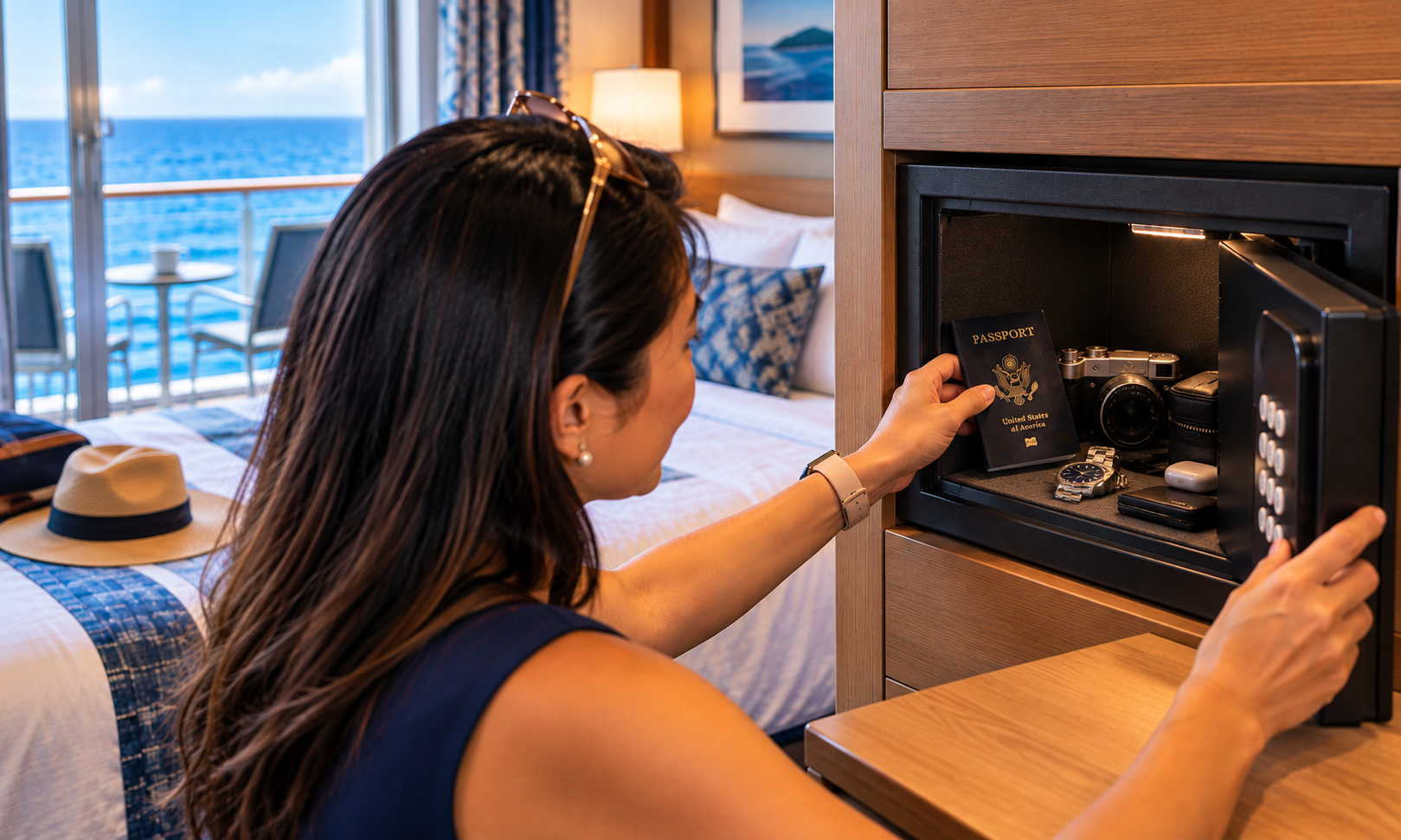
That little electronic safe in your cruise cabin serves essentially the same purpose as the one in a hotel room.
It's a convenient place to put cash, your wallet, spare cards, and other belongings you don't need while enjoying the ship.
And when you head ashore, it may be a better option than carrying everything through a crowded market or onto a beach.
Depending on the itinerary and cruise line, your passport may be held by the ship for immigration processing, or you may retain it in your cabin. Follow the ship's instructions about what identification to take ashore.
Beyond that, the same common sense applies.
I don't leave cash scattered around my cabin. I don't bring expensive valuables I have no intention of using. And I don't spend my cruise worrying that my cabin steward is plotting to break into my safe.
I've got better things to do.
What If Something Does Disappear?
Let's acknowledge the possibility.
Things can be stolen from hotel rooms and cruise cabins. A safe can malfunction. Someone can gain unauthorized access. And travelers occasionally forget items in safes when checking out.
If something valuable disappears, report it promptly to hotel management or ship security.
Document what is missing, when you last saw it, and any relevant circumstances. Ask for a written incident report, and contact local authorities when appropriate.
Don't automatically assume the hotel or cruise line will reimburse you simply because the item was inside a safe.
Policies, contracts, and applicable laws can limit liability. Travel insurance and personal property coverage may also have exclusions or limits, especially for cash, jewelry, and other high-value items.
If your passport is missing, consult the U.S. State Department's lost or stolen passport guidance and contact the nearest U.S. embassy or consulate for replacement assistance.
So, Safe or Not?
🟢 Go for it! Use the hotel or cruise cabin safe for spare cash, extra credit cards, and everyday valuables you don't need while you're out. Make sure the safe locks properly, and use a code that isn't obvious.
🟡 Maybe. For passports and other important documents, first determine whether you'll need the originals during the day. For especially valuable items, consider whether the room safe provides enough protection and whether your insurance would cover a loss.
🔴 Pass on it. Don't bring expensive or irreplaceable possessions that serve no real purpose on your trip. And don't assume that a locked safe guarantees your belongings are protected against every possible loss.
Enjoy Your Vacation
Lock up your spare cash, grab your room key, and go enjoy Paris.
The Eiffel Tower isn't going to admire itself.
Street smart doesn't equal paranoia.
And that's traveling smarter.