

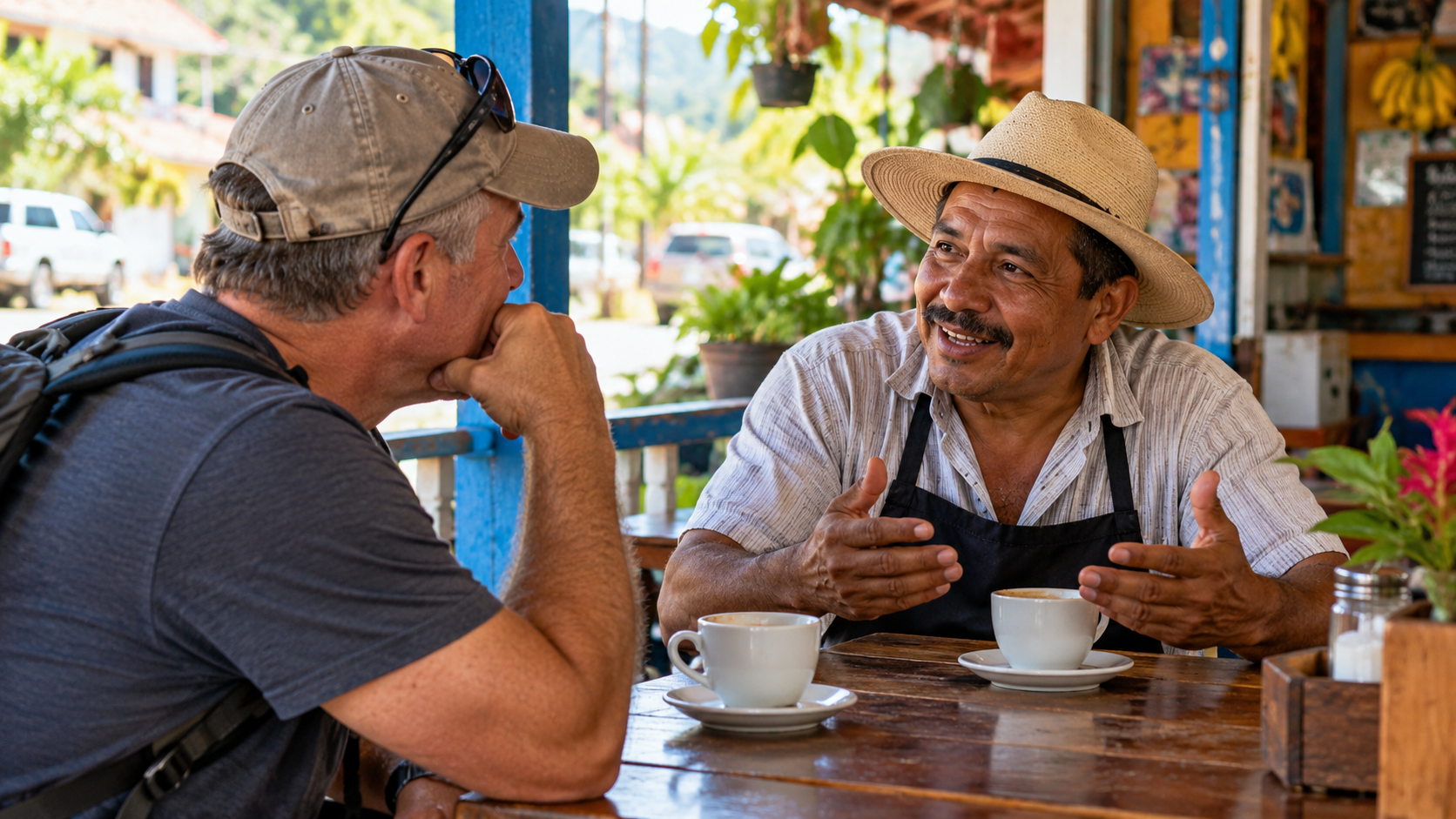
Ask One More Local
Some of My Best Travel Advice Never Came From a Guidebook
Twenty-four years later, I can still remember the crème brûlée.
I can't remember the name of the restaurant.
I can't remember the name of the hotel employee who sent me there.
I certainly don't have a photograph of dinner. This was long before photographing everything we ate became part of traveling.
But I remember that crème brûlée.
I was in Spain for work and checking into my hotel. I wanted something local for dinner, preferably inexpensive.
I could have asked the concierge. Maybe it's my own little conspiracy theory, but I've always wondered whether some concierge recommendations are influenced by relationships with particular restaurants.
Instead, on my way out, I stopped a young guy who was helping guests with their luggage. He looked to be around 30. We started talking, and I asked if he had a family.
He did.
So I didn't ask him where I should eat.
I asked him something closer to this:
“Where do you take your family on a Wednesday night when nobody feels like cooking?”
His eyes lit up.
There was a little restaurant near his apartment, he told me. Nothing fancy. I could walk there from the hotel.
Perfect.
It had a fixed-price menu, somewhere around €15 for three courses. There were olives on the table instead of the chips and salsa we might expect back home. Fresh bread. A glass of local wine. My main course was rabbit stew served in a little cauldron.
And then came dessert.
The crème brûlée wasn't caramelized with a little kitchen torch. They heated what looked like a branding iron in a wood fire and pressed it onto the sugar.
Smoky. Sweet. Absolutely memorable.
I walked out for less than €20.
More than two decades later, I don't remember the restaurant's name.
But I remember exactly how they made that crème brûlée.
And it happened because I asked the right person a slightly different question.
Don't Ask What Tourists Should Do
We have access to an absurd amount of travel information now.
Before leaving home, I can read hundreds of restaurant reviews. I can look at menus and photographs. I can virtually walk down the street. I can read blogs, watch videos, browse travel groups and know what thousands of strangers thought about a place before I ever arrive.
I use all of it. I’m contributing to it.
This isn't an argument for throwing away the guidebook, deleting Google Maps and wandering around hoping someone adopts you.
Do the research. Make the plan.
Then, when you get there, ask one more local.
But the question matters.
Ask someone, “What should tourists do here?” and there's a good chance you'll get the answer tourists usually get.
Instead, try:
Where would you eat tonight?
Where do you take friends when they visit?
If you had tomorrow afternoon free, what would you do?
Is that famous place actually worth going to?
Or my favorite variation:
Where do you spend your own money?
You're not looking for an official recommendation.
You're trying to start a conversation.
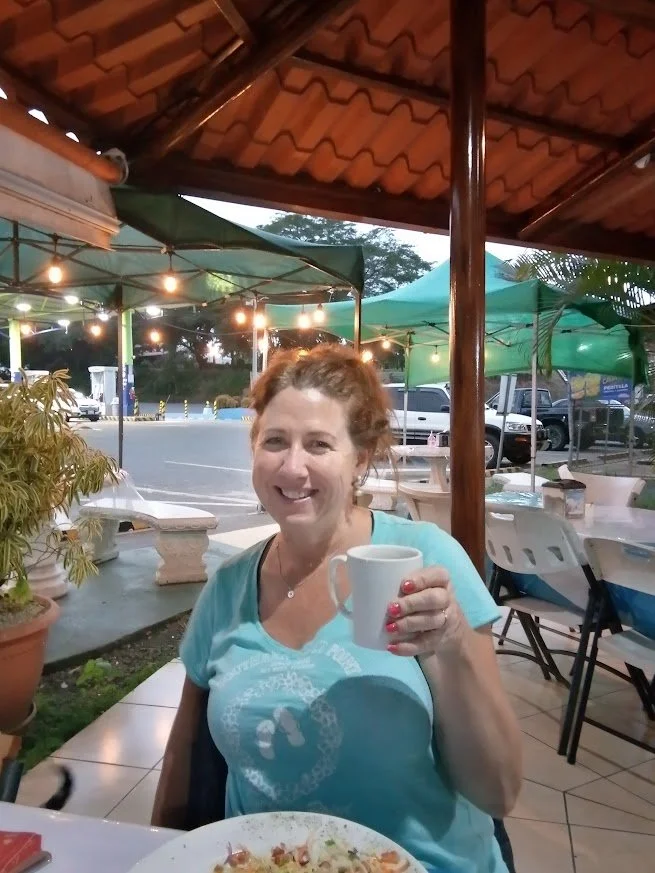
There were old tables. Condiments sitting out that made you wonder whether refrigeration was more of a suggestion.
And there was churrasco.
Gina wasn't really a steak person at the time.
I was.
I also liked chimichurri, so I convinced her to try the churrasco with chimichurri.
That may have been a tactical error on my part.
The steak was stooooopid good.
I know because I managed to get one bite.
When I contemplated trying for another, Gina's possession of a fork suddenly seemed less like dining equipment and more like a defensive capability.
She was converted.
All these years later, we still remember that meal.
The guy at the rental-car office probably thought he was just suggesting somewhere convenient to stop for lunch.
For us, it became part of the trip.
That's the thing about local advice.
Sometimes you don't have to conduct an interview.
You just have to talk to people.
Sometimes You Don't Even Have to Ask
Years later, we were picking up a rental Jeep near San José, Costa Rica.
The gentleman handling our paperwork didn't treat it like a five-minute transaction at a rental counter.
He sat us down on a sofa. He brought us bottles of water. We talked while they washed the Jeep and got it ready.
There wasn't a line of people being shoved through the process behind us. Nobody seemed particularly interested in getting rid of us.
Somewhere in the conversation, lunch came up.
He told us not to bother eating around the San José airport area. Too expensive.
We were driving toward Quepos, and he knew a place along our route.
So off we went.
It was along a beautiful stretch of road, near a gas station but not inside one. The restaurant was open-air, with large canopies overhead. Nothing makeshift, but certainly nothing polished for tourists either.
Ask One More Local
I still research the hell out of trips.
I look at maps. I read reviews. I compare routes. I make reservations. I want to understand where we're going before we get there.
None of that is changing.
But research can only tell me what other people have already documented.
Once we're actually there, I want to give the destination one more chance to surprise us.
Fresh Seafood, With Visual Confirmation
In Curaçao, we rented a small house well away from Willemstad.
I asked a guy who lived down the street where we could get really fresh seafood.
Not the tourist version.
Not someplace designed around the cruise ships.
Where would he go?
We were heading toward Willemstad for the day, and he directed us to a commercial marina area a couple of miles from the cruise-ship zone.
This wasn't the shiny-yacht marina.
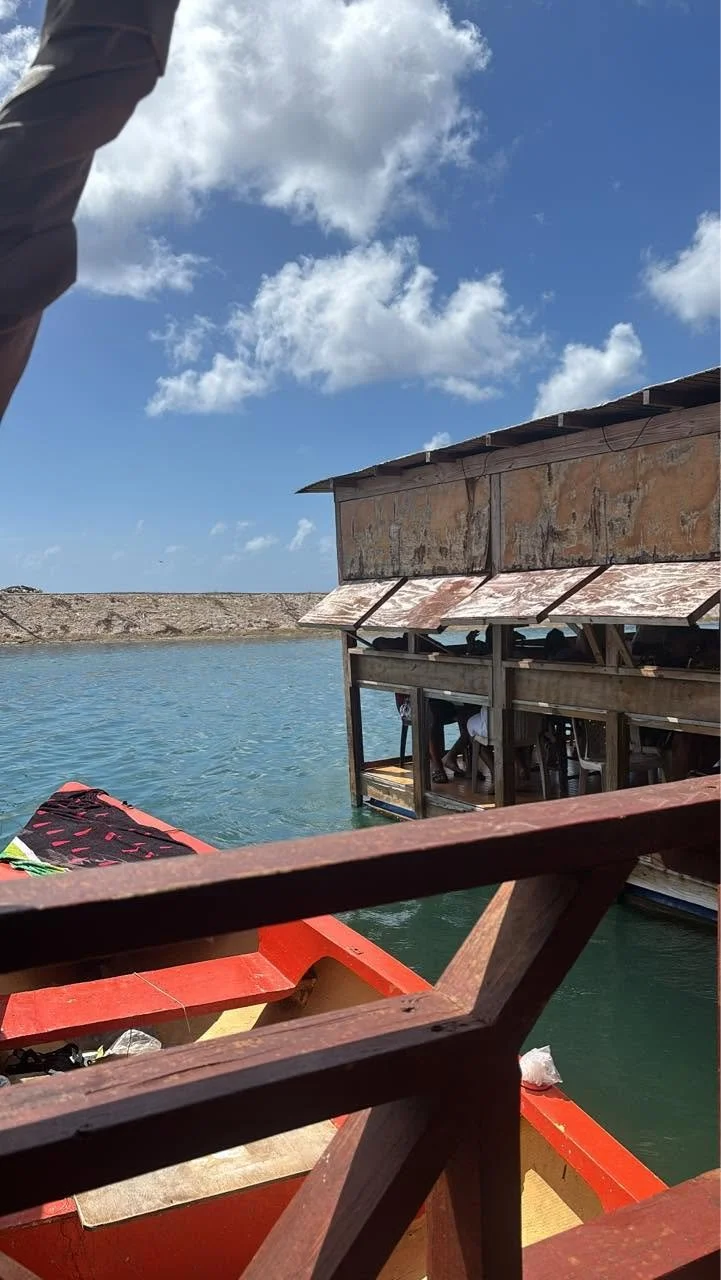
These were weather-beaten workboats and fishing boats. The sort of place where boats went because somebody was earning a living with them.
And there was a “restaurant.”
I use quotation marks because it was essentially three floating rafts tied together with makeshift structures built on top.
There were tables and chairs.
And there was a guy sitting on an upside-down five-gallon bucket cleaning fish.
He had two more buckets.
One contained live fish.
The other received the fish after he cleaned them.
The parts nobody was eating went directly into the water.
I had asked for fresh seafood.
There was very little ambiguity about the freshness.
It wasn't sexy.
It wasn't polished.
It wasn't designed to look “authentic” for visitors.
It was a place where local people ate fish.
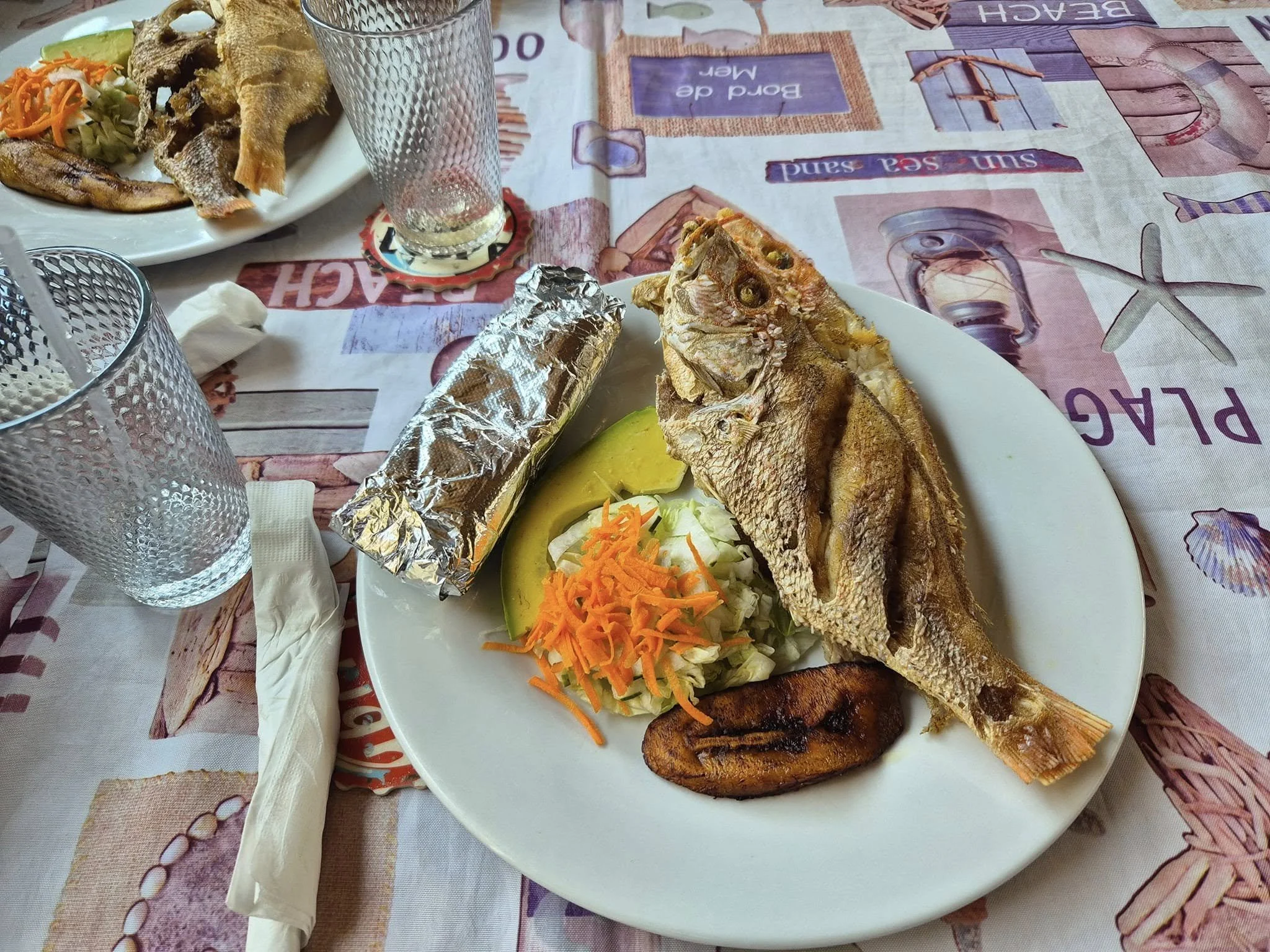
And it was delicious.
Could I have found it online?
Maybe.
But I wouldn't have known to look for it.
That's an important difference.
A local recommendation doesn't always reveal some secret place the internet has never discovered.
Sometimes it simply points you toward a part of town, a road, a marina or a restaurant you never would have thought to search for in the first place.
One Question Can Become an Entire Afternoon
Panama might be my favorite example because we weren't looking for an experience at all.
I wanted coffee beans.
Specifically, green, unroasted coffee beans.
We happened to be in El Valle getting hot-stone massages, and there was a nice-looking coffee shop next door.
So I walked in and asked.
They didn't have green beans.
But they knew a guy.
Before long, I had the WhatsApp information for Carlos, a local coffee roaster.
I sent him a message in my tourist Spanish.
He responded in English better than mine.
We arranged to meet the following day in the square near the coffee shop.
So there I was, meeting a man I'd contacted on WhatsApp in a town square in Panama to exchange money for a kilo of unprocessed agricultural product.
It occurred to me that, viewed from a distance, this had many of the visual characteristics of a drug deal.
It was coffee.
Carlos was fascinating.
He talked with us about local coffee production and about the pressure small roasters were facing as larger corporate buyers purchased coffee in bulk.
Then he told us about a small producer named Joel at Finca La Amistad.
No English.
Middle of nowhere.
Naturally, I sent Joel a message.
He invited us out.
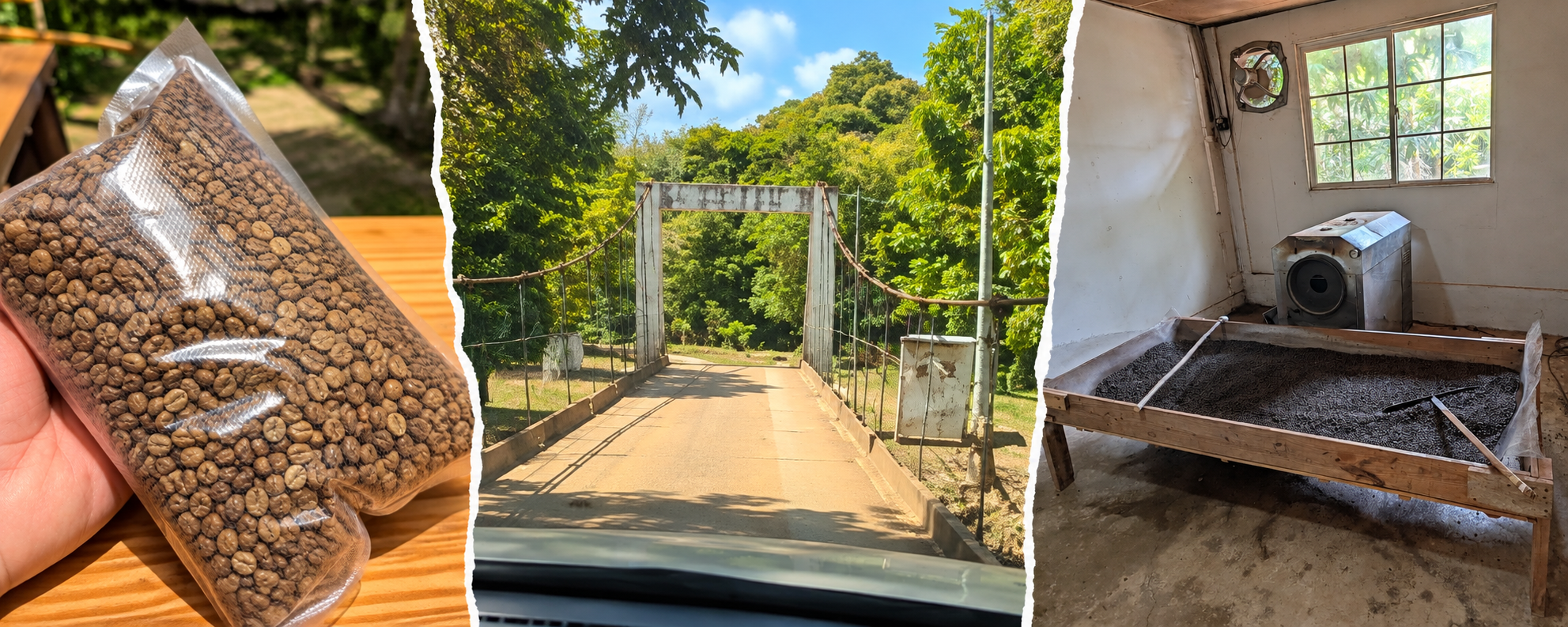
Getting there became part of the adventure. We crossed a small suspension bridge and continued along a rough dirt-and-rock road before eventually reaching the farm.
Joel showed us his operation and explained how he produced his coffee.
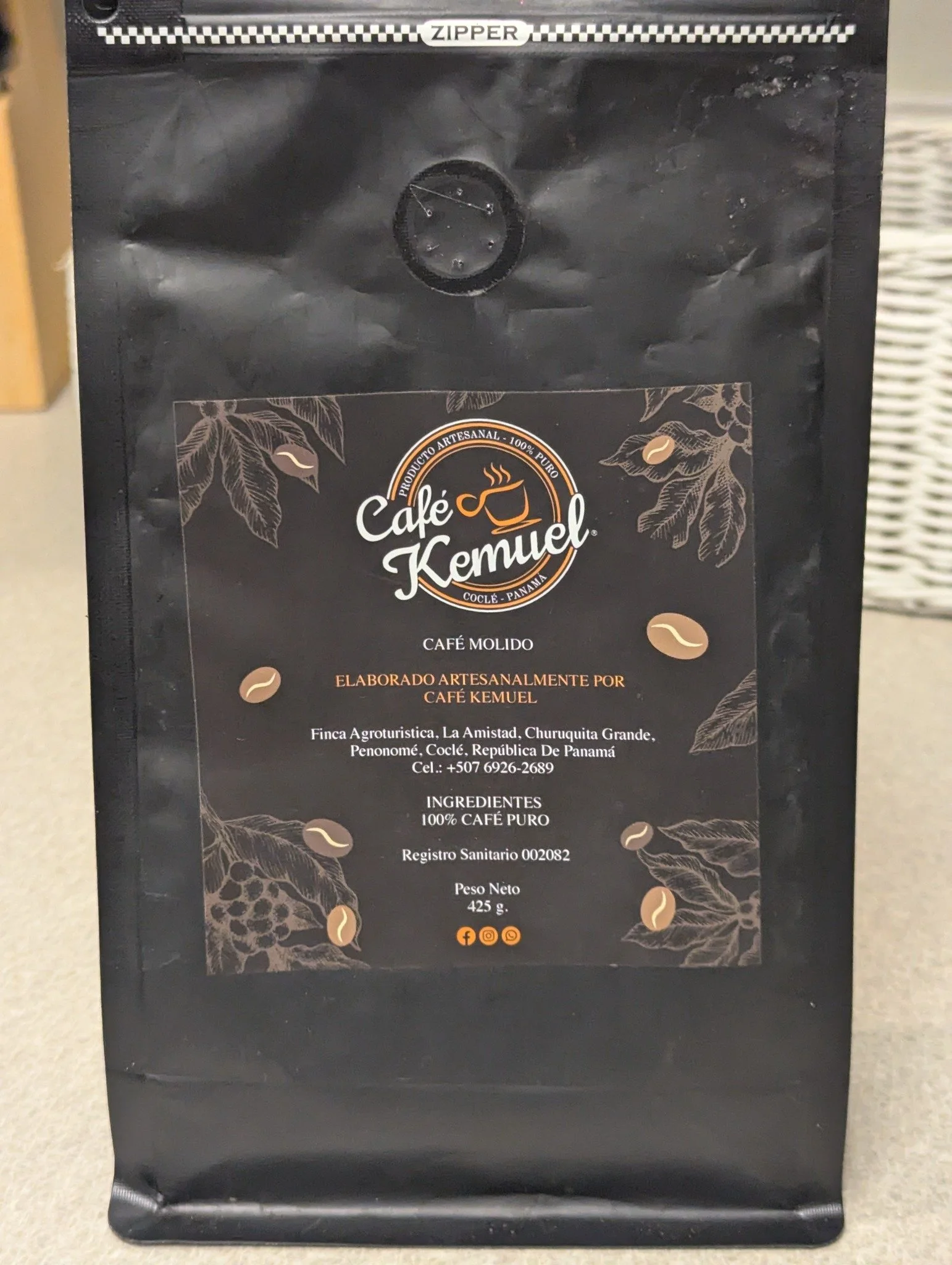
His coffee was called Kemuel.
Then he told us why.
Kemuel was the name of his teenage son, who had been killed while riding his bicycle.
Suddenly a bag of coffee wasn't just a bag of coffee anymore.
We bought two bags of freshly roasted Café Kemuel right there at the farm.
And think about how we got there.
We hadn't booked a coffee tour.
We hadn't searched for “authentic Panama coffee experiences.”
I wanted green beans.
The coffee shop knew Carlos.
Carlos sold me the green beans.
Carlos knew Joel.
Joel invited us to his farm.
One question led to another person, and that person led to another.
Sometimes the best local recommendation isn't a place.
It's the next person you should ask.
Local Advice Isn't Automatically Good Advice
There's a danger in romanticizing all of this.
A local recommendation isn't automatically better because it came from a local.
Someone's favorite restaurant might be your least favorite.
Their idea of a reasonable drive might be very different from yours.
They may love an attraction you'd find boring.
Their information might be outdated.
And yes, the bartender recommending a restaurant might turn out to be the owner's cousin.
That's okay.
You're collecting information, not surrendering control of your vacation.
I don't replace my research with whatever somebody tells me after I arrive.
I add their information to it.
Maybe it changes the plan.
Maybe it confirms the plan.
Maybe it gives us another option.
And sometimes I smile, say thank you, and quietly proceed with Plan A.
Local knowledge is another data point.
It's a particularly interesting one because it comes from someone who experiences the place differently than you do.
But it's still a data point.
Sometimes We're the Locals
There's another side to this that I understand better because we're Airbnb hosts.
Sometimes we're the people visitors ask.
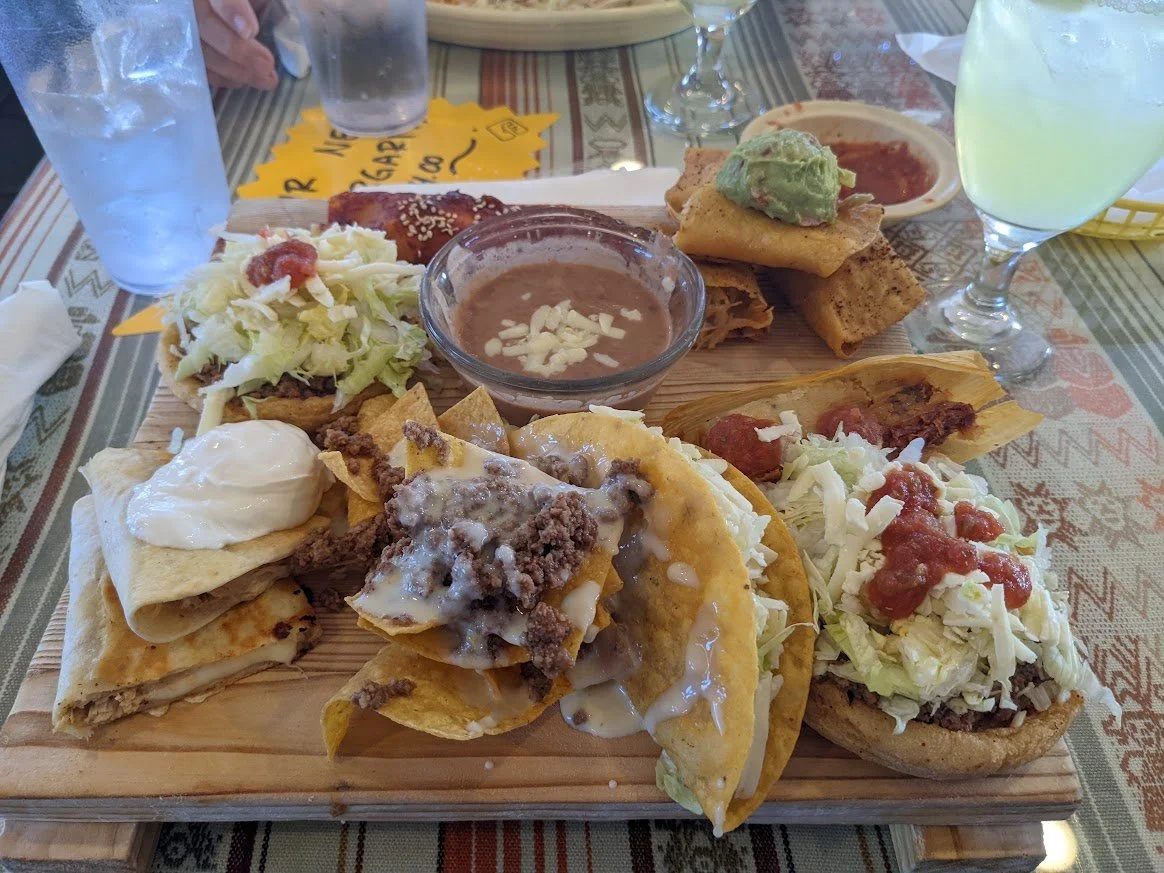
Our lake house is in Florida, and one of the places I specifically recommend to guests is La Hacienda III in Palatka, about 20 minutes away.
It isn't fancy.
The food is fresh, hot and plentiful. My favorite platter is about $18 now and easily feeds the two of us. The house margarita has historically been around four bucks, and it isn't some watered-down glass of sugary green slush pretending it once met tequila.
It's a solid margarita.
And I've eaten Mexican food in Mexico.
La Hacienda III is hands-down some of the best Mexican food I've had outside of Mexico.
But there's another reason I like sending people there.
They're good people.
We've been going for years. Not every week. These days it might be once every couple of months.
Hector still remembers me.
He'll ask whether I want a margarita or tea.
And when our son comes with us, Hector has been known to jokingly hand him the bill.
The message is clear:
You're old enough. Time to treat your parents.
Then there's Abuela.
One afternoon, an older woman came through offering little bags of ground spices around the restaurant. When I asked her in Spanish what she had, she took one look at me and told me:
Too hot for you.
Naturally, I tried it anyway.
She was right.
It was too hot for me.
Naturally, I ate it anyway.
Sometimes international diplomacy requires sacrifice.
That's the sort of thing a star rating can't tell you.
And being on the other side of the conversation has reinforced something for me.
If someone asks:
“What's the best restaurant around here?”
That's actually difficult to answer.
Best for what?
Best food? Cheapest? Nicest view? Most romantic? Biggest portions? Fifteen minutes away or an hour?
But ask:
“Where do you go for Mexican food?”
I have an answer.
Sometimes the better question isn't asking a local to identify the best place.
It's asking them to identify their place.
Tell People What You're Actually Looking For
Looking back at these experiences, another pattern becomes obvious.
Specific questions produce better answers.
In Costa Rica, the rental-car employee knew where we were headed.
In Curaçao, I didn't simply ask for a seafood restaurant. I explained that I wanted fresh seafood and wasn't looking for a tourist-oriented place.
In Spain, I didn't ask where visitors should have dinner. I asked where a man with a family ate on an ordinary night when nobody wanted to cook.
In Panama, I wasn't looking for “coffee culture.”
I wanted green beans.
Specificity gives the person you're talking to something to work with.
Instead of:
“What should we do here?”
Try:
“We've got four hours tomorrow afternoon and a car. What would you do?”
Instead of:
“Where's a good restaurant?”
Try:
“Where would you take your family for dinner tonight?”
Instead of:
“What's the best beach?”
Try:
“Where would you go if you wanted a quiet beach for a couple of hours?”
Now you're having a conversation.
And conversations are where the interesting answers tend to live.
Close the Loop
There's one more part of this that matters to me.
If somebody takes the time to help make our trip better, I try to let them know.
After visiting Joel's farm in Panama, I messaged Carlos and thanked him for sending us there.
We also went back to the coffee shop where the whole thing had started. We bought a coffee and thanked the people who had connected us with Carlos in the first place.
They didn't have to help us.
Carlos didn't have to introduce us to Joel.
Joel certainly didn't have to invite two strangers from the United States out to his farm.
The conversation shouldn't always end the moment you get what you needed.
Send the message. Go back and say thank you. Buy the coffee. Tell them how it turned out.
Travel is full of brief encounters with people we'll probably never see again.
That doesn't make those encounters disposable.
So I'll ask the rental-car guy.
The person working at the coffee shop.
The neighbor down the street.
The server.
The bartender.
The person carrying luggage outside the hotel.
Not because locals possess some magical travel knowledge unavailable to outsiders.
Because they know their version of the place.
Sometimes their recommendation won't change anything.
Sometimes it'll lead to lunch.
And every once in a while, you'll cross a suspension bridge in Panama because a coffee shop knew a guy who knew a guy.
Twenty-four years later, you might still remember the crème brûlée.
Do your research. Make your plans. Then ask one more local.
You're not asking them to plan your vacation.
You're giving the place one more chance to surprise you.
And when someone does make the journey a little better, remember the other half of the exchange.
I want the people I meet along the way to be glad they met me, too.