

We Paid Extra for an All-Inclusive—and Still Left the Resort
Our Cancun room was covered with timeshare points. Then we paid another $1,200 for meals, drinks and spa treatments. Was the upgrade worth it?
All-inclusive resorts are often treated as a choice between two completely different vacations.
You can book the resort, settle into a beach chair and spend the week eating, drinking and relaxing. Or you can skip the package, rent a car, explore the area and eat at local restaurants.
Our Cancun honeymoon didn’t fit neatly into either category.
We stayed at Sandos Cancun using RCI points from my timeshare. Our room was already covered for the week, aside from the exchange fee. After we arrived, we had the option to pay approximately $1,200 more for the resort’s all-inclusive package.
That included three meals a day, alcoholic and nonalcoholic drinks, and one spa treatment each.
We decided to add it.
Then we rented a car, regularly skipped the included lunch and spent much of our honeymoon exploring beyond the resort.
Did that mean we wasted money on the all-inclusive package?
I don’t think so.
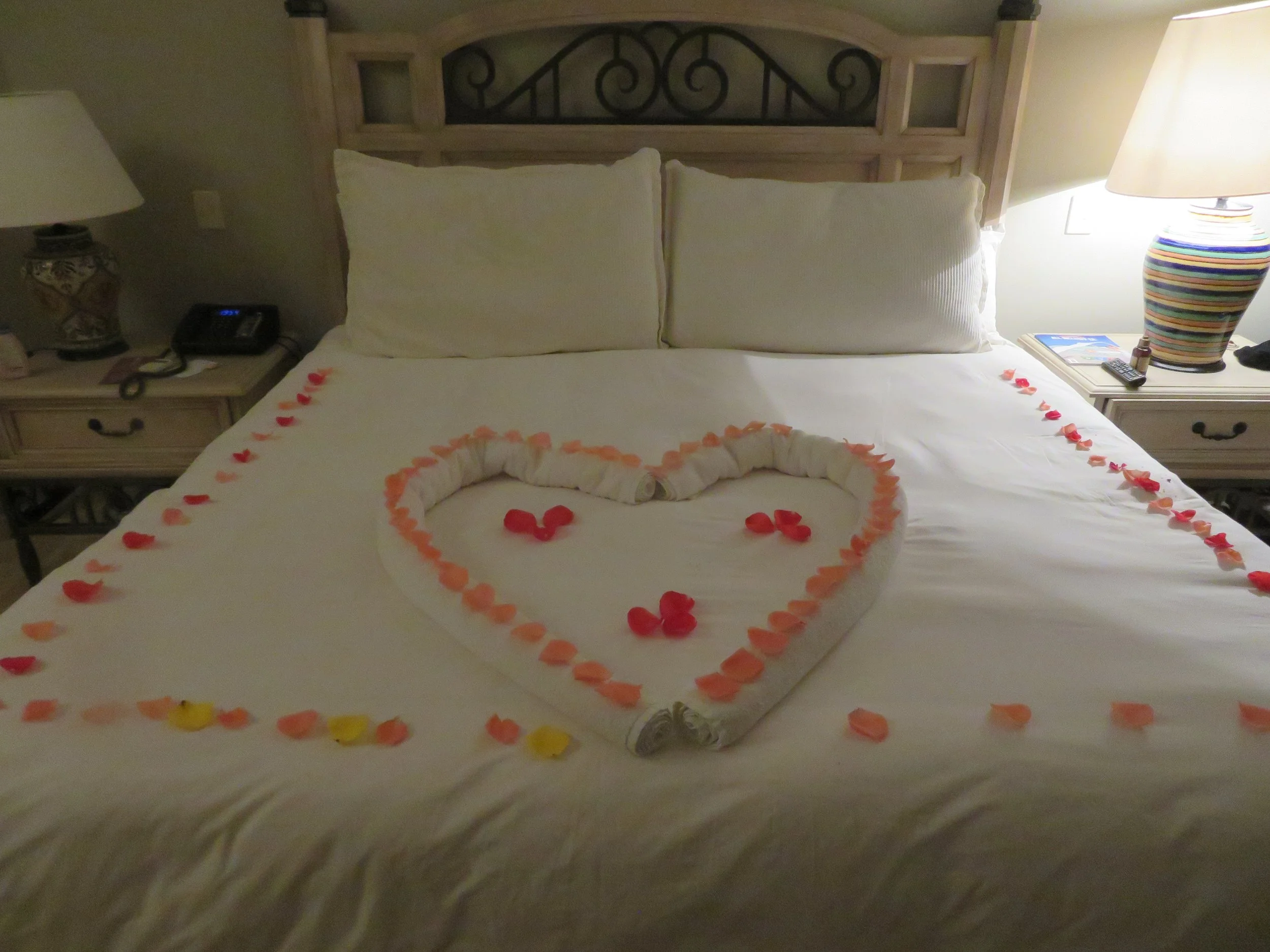
Our room was already covered through an RCI timeshare exchange. The approximately $1,200 all-inclusive package was an additional purchase after we arrived.
What Our $1,200 Upgrade Actually Covered
Because our room was already booked, the $1,200 did not cover our accommodations. It specifically paid for:
Breakfast, lunch and dinner each day
Alcoholic and nonalcoholic drinks
One spa treatment per person
For a seven-night stay, that worked out to approximately $171 per day for the two of us—or about $86 per person per day.
Three meals, drinks and a spa treatment for $86 a day sounds reasonable. But an all-inclusive package is only worth what you will actually use.
We don’t drink very much. We enjoyed a few frozen margaritas at the beach and pool, but we certainly weren’t ordering enough alcohol to justify the package through drinks alone.
We also spent many of our days away from the resort, so we frequently missed the lunch we had already paid for.
On paper, we were not the ideal all-inclusive guests.
Breakfast Was One of the Highlights
Breakfast was served buffet-style, and we genuinely enjoyed it.
There was plenty of variety, but one of the things we particularly remember was the selection of fresh juices. Breakfast became an easy and enjoyable way to begin each day before deciding whether we would stay at the resort or head out to explore.
We didn’t need to get in the car and search for breakfast every morning. We could eat when we were ready, have as much or as little as we wanted and begin our day without waiting for a check.
That convenience had real value.
Not every benefit of an all-inclusive package can be measured by calculating the retail price of each plate of food. Sometimes the value comes from removing a decision from the day.
We Usually Skipped the Lunch We Had Paid For
Most days, we were away from the resort by lunchtime.
Instead of returning to Sandos simply because lunch was included, we found an inexpensive local place wherever we happened to be. That meant paying for another meal while leaving an already-paid-for resort lunch unused.
From a strict accounting perspective, that reduced the value of the package.
But returning to the resort just to avoid “wasting” lunch would have cost us time and limited what we could experience. We hadn’t traveled to Cancun for our honeymoon only to organize each day around the resort’s meal schedule.
An included meal has no real value if eating it keeps you from doing something you would enjoy more.
We chose the local lunch and kept exploring.
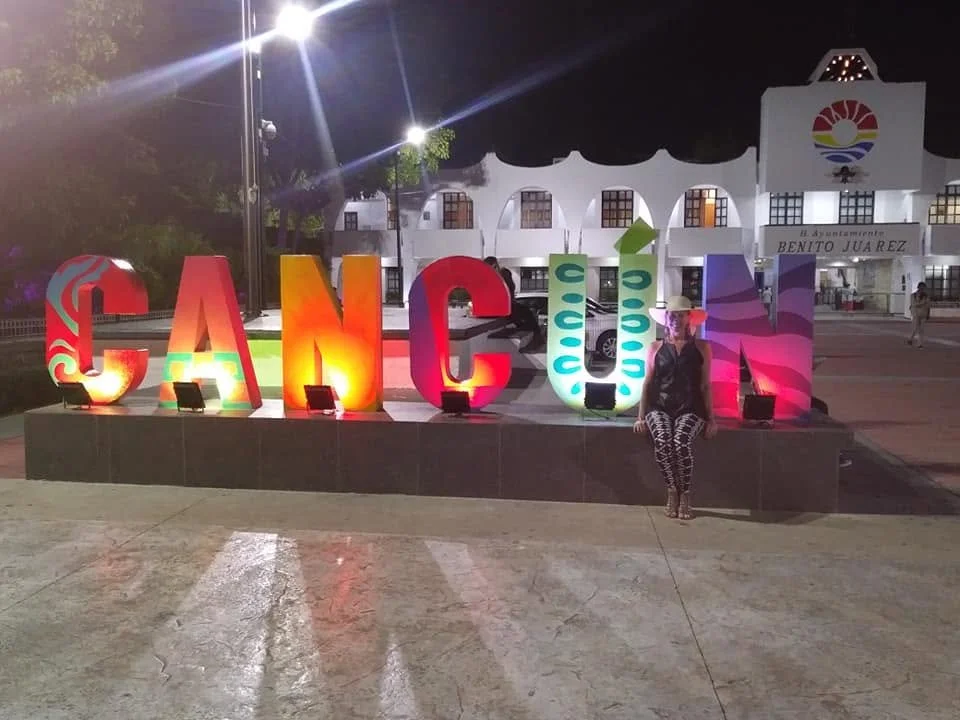
Dinner Was Easy, Even If It Wasn’t Extraordinary
In the evenings, we generally returned to the resort for a sit-down dinner.
The food was decent. We ate well, but I don’t remember any particular meal as an unforgettable dining experience. It was good resort fare rather than one of the defining memories of our honeymoon.
Still, dinner served its purpose.
After a day of sightseeing or being out on the water, we didn’t have to search for a restaurant, study another menu or think about what dinner would cost. We could return to the resort, clean up and sit down for a meal that was already covered.
That ease was part of what we purchased.
Not every meal needs to become a travel story. Sometimes the upgrade is simply knowing that a perfectly good dinner is waiting when you return.
Poolside Margaritas Without Reaching for the Wallet
Although we aren’t big drinkers, we did enjoy a few frozen margaritas while relaxing beside the pool or on the beach.
Waiters provided poolside and beachside service, so we could order drinks and snacks without leaving our chairs. The chairs and access to the resort facilities were already part of our stay, but the all-inclusive package covered what we ordered.
We probably didn’t drink enough to make the package a bargain based on beverages alone. That wasn’t really the point for us.
The benefit was being able to enjoy a drink or snack when we wanted one without considering the price each time. We had already made the larger spending decision when we purchased the package.
For a honeymoon, that freedom was worth something.

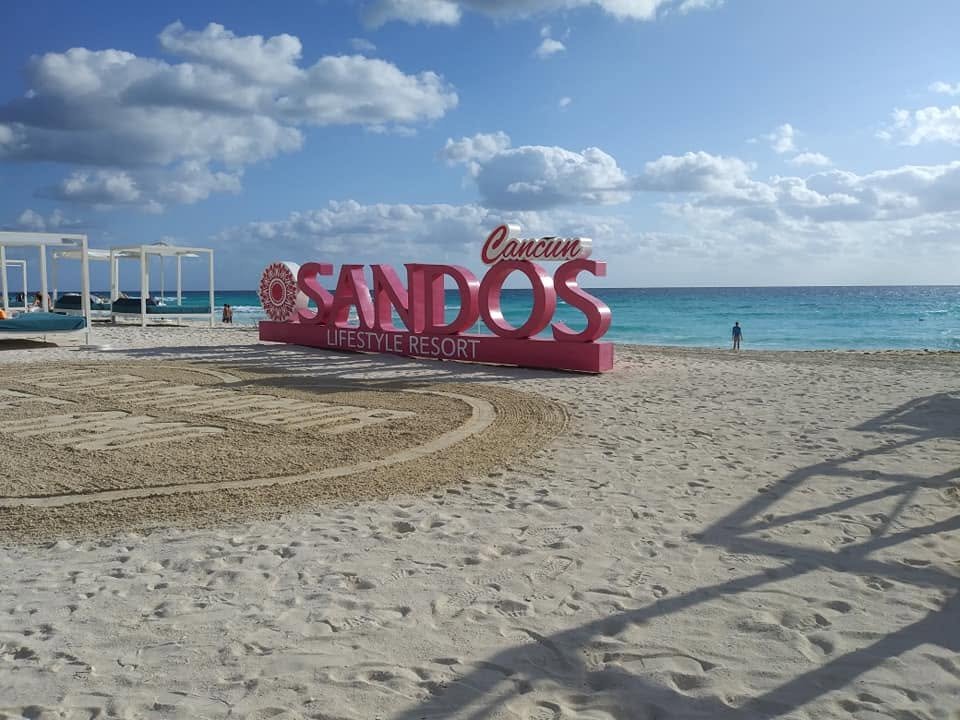
The Spa Treatments Helped the Math
Our package also included one spa treatment for each of us.
The experience began with time in a hot steam room, followed by a plunge into a cold pool and then a massage.
Gina had a great masseuse and thoroughly enjoyed her treatment.
Mine was a very large woman who apparently believed the path to relaxation required working me over like I had personally offended her. At the time, I was reasonably certain she hated men.
It was memorable—although perhaps not for the same reasons as Gina’s.
Humor aside, the two spa treatments made the $1,200 package easier to justify. Had we purchased comparable treatments separately, they would have added a meaningful amount to our honeymoon expenses.
When comparing an all-inclusive package with paying as you go, included extras should only count if they are things you genuinely want.
An included treatment that you would otherwise purchase has value. An activity you never intended to try does not suddenly become valuable because the resort attaches a retail price to it.
We wanted the spa treatments, and we used them. They counted.
We Didn’t Let the Resort Become the Main Destination
The all-inclusive package gave us a comfortable home base, but it did not become the boundary of our honeymoon.
We used credit-card points to rent a car, so we had no out-of-pocket rental charge. Having our own transportation gave us the freedom to leave the resort on our schedule and experience more than the beach immediately outside the hotel.
We also booked several off-site adventures.
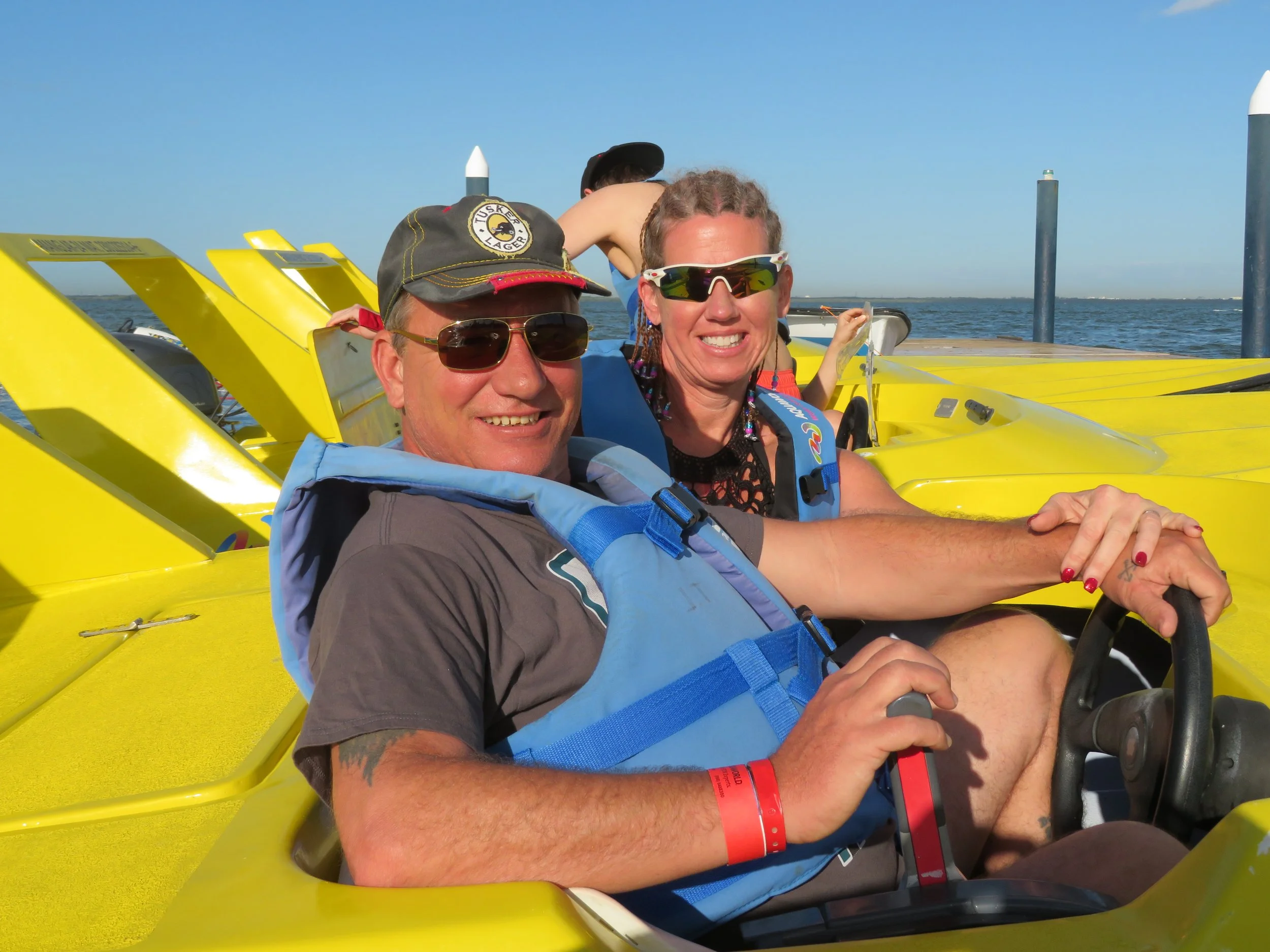
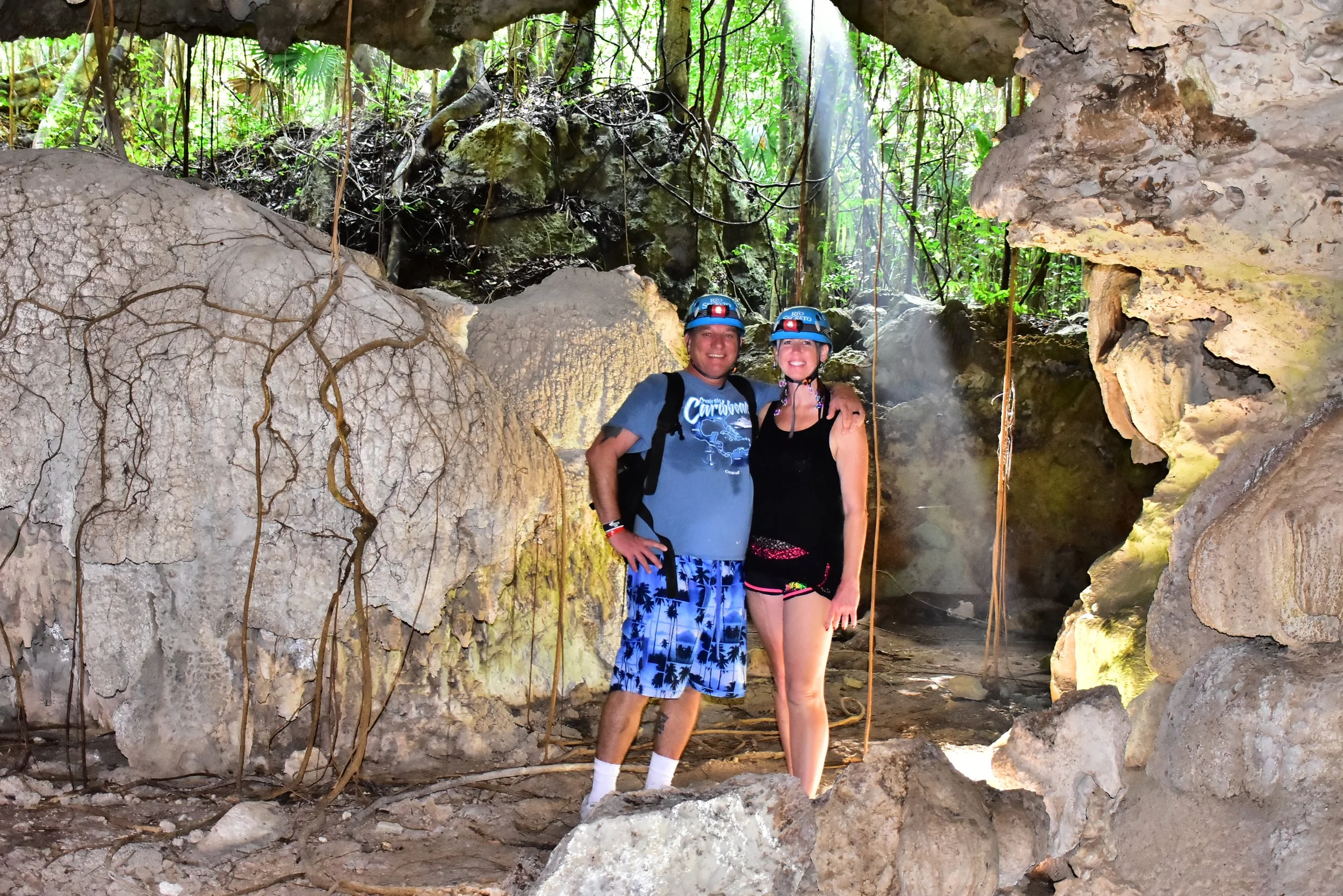
We went parasailing, tried SNUBA and rented a small boat for a snorkeling trip. On another excursion, we rode mountain bikes, continued on foot and then swam through a cenote before reversing the entire journey to get back.
Those experiences became a much bigger part of the honeymoon than any effort to consume every meal included in our package.
Had we stayed at Sandos every day, we might have received more measurable value from the all-inclusive upgrade.
We also would have missed much of what made the trip ours.

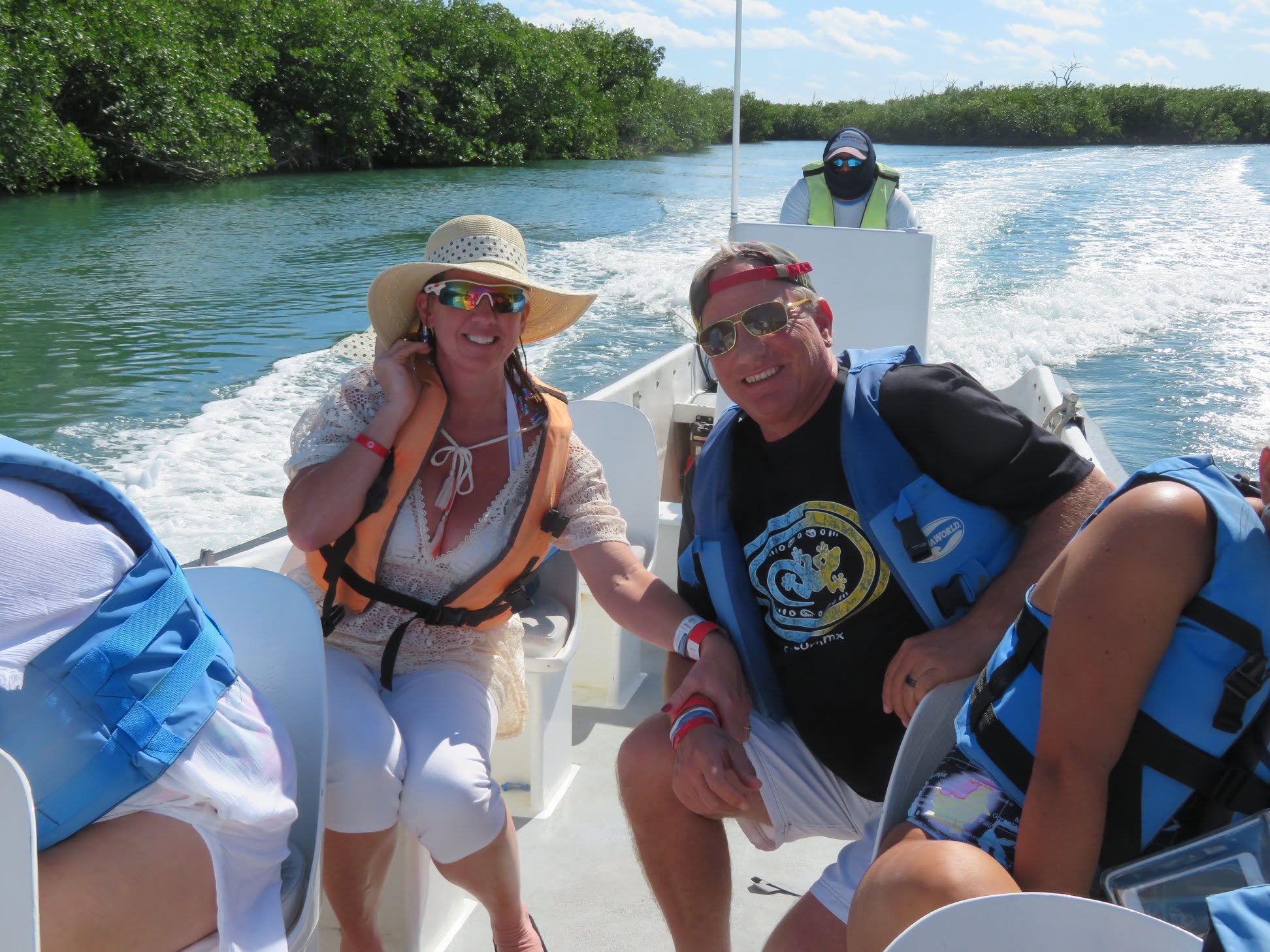
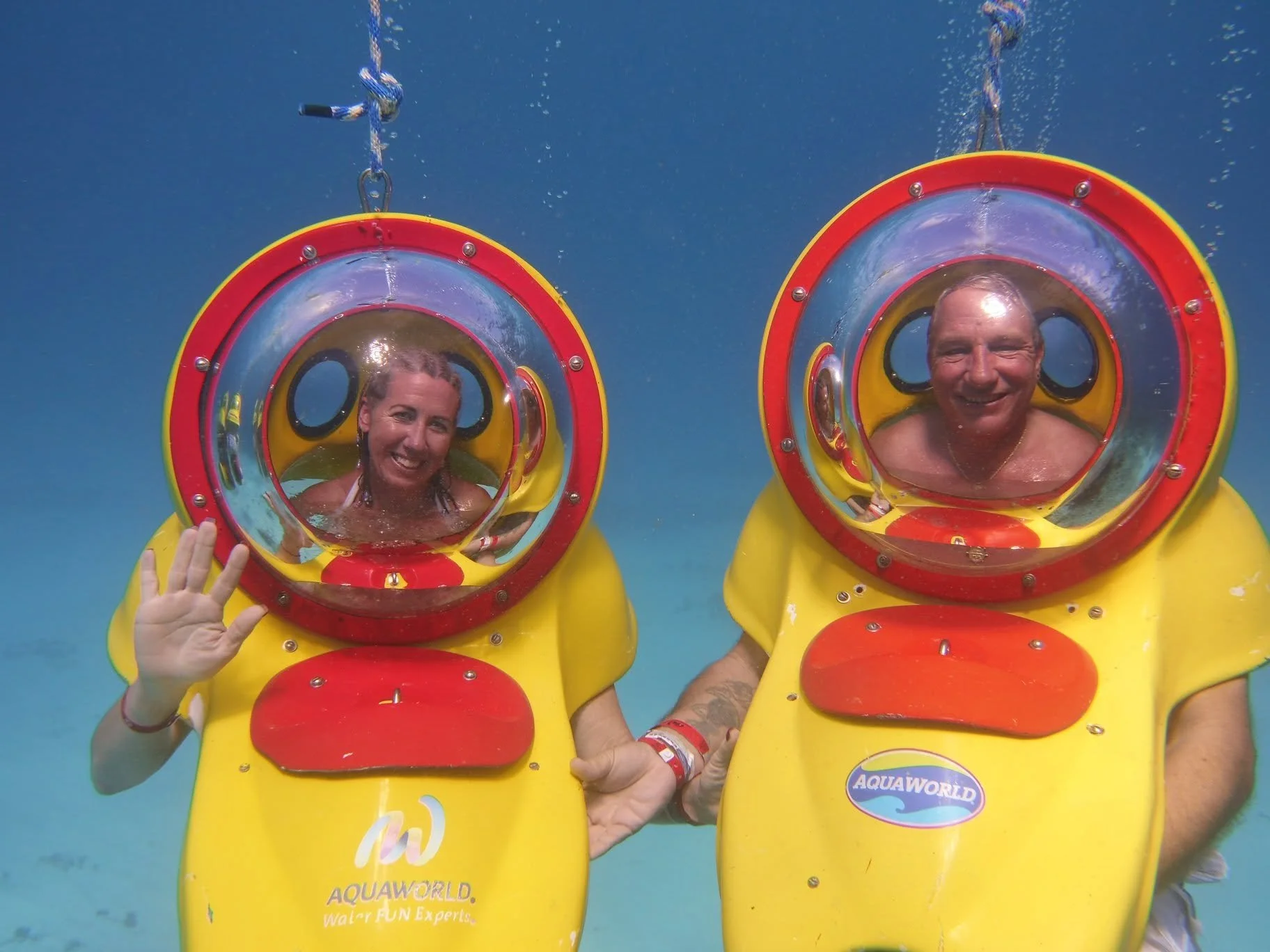
The all-inclusive package made the resort easy. Renting a car and booking off-site adventures made the honeymoon ours.
All-Inclusive Does Not Have to Mean All-Confined
There can be a subtle pressure after purchasing an all-inclusive package.
Lunch is included, so perhaps you should return for lunch. Drinks are included, so perhaps you should order another. Resort activities are available, so perhaps you should remain on the property even when something beyond it interests you more.
That is when the package begins planning the vacation instead of serving it.
We approached it differently.
When we were at Sandos, we enjoyed the convenience. We ate breakfast, returned for dinner, ordered a few margaritas and snacks, and used the included spa treatments.
When we wanted to explore, we left.
We didn’t return to the resort simply to claim an included meal, and we didn’t measure every day by whether we had consumed our theoretical share of the package.
All-inclusive did not mean all-confined.
Did We Actually Save Money?
It is difficult to say with certainty.
Because we don’t drink much and frequently missed lunch, we probably did not extract the maximum possible dollar value from the package. Someone who ate all three meals at the resort and ordered several drinks each day would have received more for the same price.
That doesn’t automatically mean we made the wrong decision.
The spa treatments accounted for some of the $1,200. The remainder gave us breakfasts, dinners, occasional drinks and snacks throughout the week. It also gave us predictability: most of our food and beverages were already paid for before each day began.
Could we have spent less by paying for everything individually?
Possibly.
Would the difference have been large enough to outweigh the convenience during our honeymoon?
Probably not.
I wouldn’t call the package an incredible bargain, but I don’t look back and feel that we wasted the money. We received reasonable value while using the resort exactly the way we wanted.
How to Decide Whether the Upgrade Is Worth It for You
Before adding an all-inclusive package, look beyond the list of inclusions and consider how you will actually travel.
Calculate the additional cost
If a room is available with or without a package, isolate the price of the upgrade. Divide that amount by the number of travelers and the number of days.
Our $1,200 upgrade worked out to approximately $86 per person per day.
That was the number we needed to evaluate—not the full price of the room and not the theoretical retail value of everything available at the resort.
Be honest about how much you drink
Alcohol can account for a significant portion of an all-inclusive package’s perceived value. If you enjoy several resort-priced drinks each day, the math may work quickly.
If you drink very little, the food, included experiences and convenience must carry more of the value.
Don’t suddenly imagine yourself drinking six cocktails a day merely because you are comparing packages.
Look at your likely meal pattern
Will you genuinely eat three meals a day at the resort?
If you plan to spend most days sightseeing, you may regularly miss lunch. If you want to experience local restaurants at night, you may also skip some included dinners.
Estimate the meals you are likely to use rather than multiplying three meals by seven days and automatically calling the result savings.
Give included extras realistic value
Spa treatments, activities and other benefits can help justify an upgrade—but only if you wanted them in the first place.
If you would happily pay for an included experience, count it. If you have no intention of using it, its advertised price should not influence your decision.
Decide what convenience is worth to you
Not every benefit fits neatly into a spreadsheet.
There is value in beginning the day with an easy breakfast, returning to a prepaid dinner and ordering a drink without thinking about another bill. Predictable expenses can also make a vacation feel more relaxed.
Convenience should not justify any price, but it deserves a place in the calculation.
Don’t let prepaid meals trap you
Once you purchase the package, treat it as a convenience—not an obligation.
If a local restaurant, excursion or day of exploring sounds better than the included lunch, skip the lunch. You may surrender a little package value, but that can be a good trade for a better travel experience.
The purpose of the vacation is not to defeat the buffet.
The Bottom Line
Our all-inclusive upgrade at Sandos Cancun probably wasn’t the least expensive way we could have handled our food and drinks. We weren’t heavy drinkers, we regularly missed lunch and the dinners were good without being especially memorable.
But the package gave us enjoyable breakfasts, easy dinners, poolside drinks and snacks, and one spa treatment each. It also made much of our honeymoon spending predictable before we began each day.
Most importantly, we didn’t allow the package to dictate our trip.
We rented a car, ate at inexpensive local places, went parasailing, tried SNUBA, snorkeled from a small boat, rode mountain bikes and swam through a cenote. We used the resort when it made our honeymoon easier and left whenever something beyond it sounded better.
That may not be the way to squeeze every possible dollar from an all-inclusive package.
It was, however, the right way to enjoy our honeymoon.
An all-inclusive can still be worth it when you like to explore—as long as you remember that the package is there to serve your vacation, not control it.