

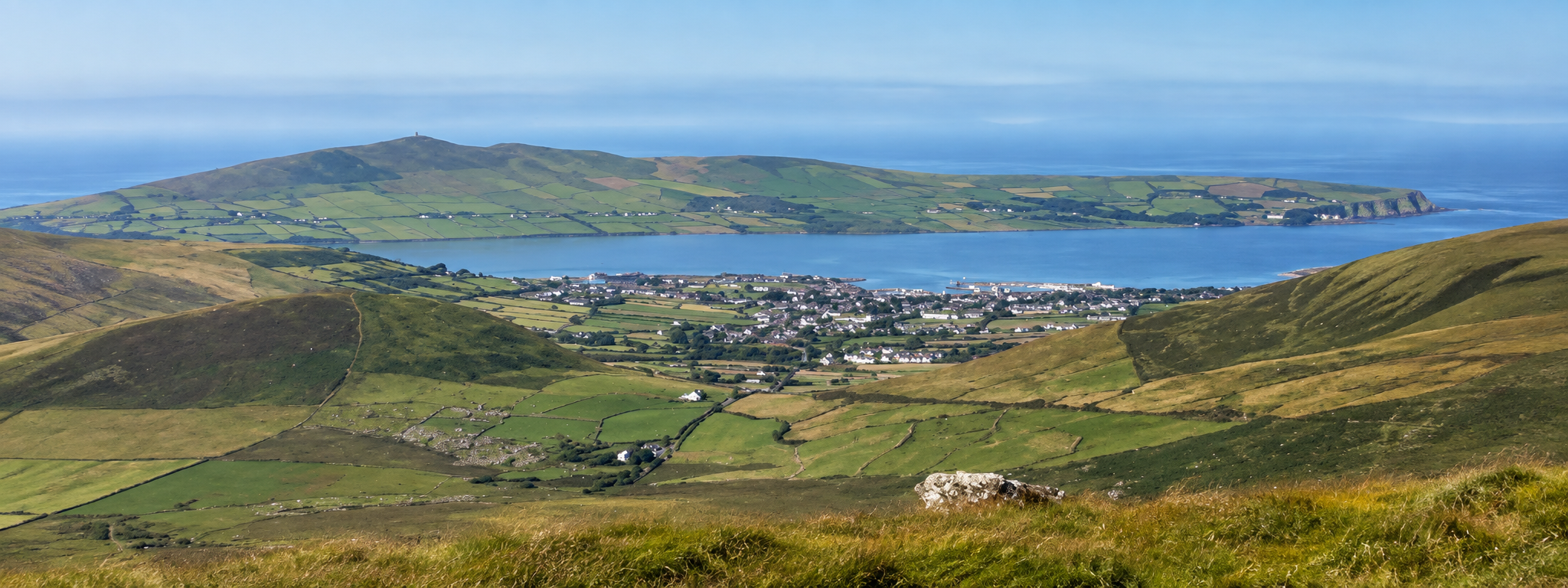
Why We Gave Dingle Three Nights and Would Do It Again
Dingle wasn't a place we wanted to squeeze between two other stops. Giving it three nights taught us why sometimes the smartest thing you can put on an itinerary is more time.
When we planned our road trip through Ireland, we deliberately tried not to turn it into a race.
There were places we wanted to see and experiences we wanted to have, but we weren't interested in changing accommodations every morning simply so we could say we'd covered more ground.
Dingle was one of the places where we decided, before we ever left home, to slow down.
We gave it three nights.
Looking back, that may have been one of the best decisions we made on the entire trip.
Not because Dingle required three days to complete some enormous checklist of attractions.
Quite the opposite.
Three nights gave us permission not to have a checklist at all.
Three Nights Is Different From Three Days
This sounds obvious, but it matters when you're building a road trip.
Three nights in one place gives you two full days when you don't have to pack the car, check out, drive somewhere else, find the next accommodation and check in again.
That's a very different experience from arriving somewhere in the afternoon, spending the evening there and leaving the next morning.
Dingle became something of a halfway-point reset for us.
We had already had a fairly eventful start to Ireland. A missed flight connection had cost us our first day, and our checked luggage had decided to take a separate vacation.
By the time we reached Dingle, we were still waiting for it.
But for the first time in several days, we weren't particularly worried about getting anywhere else.
We could simply be there.
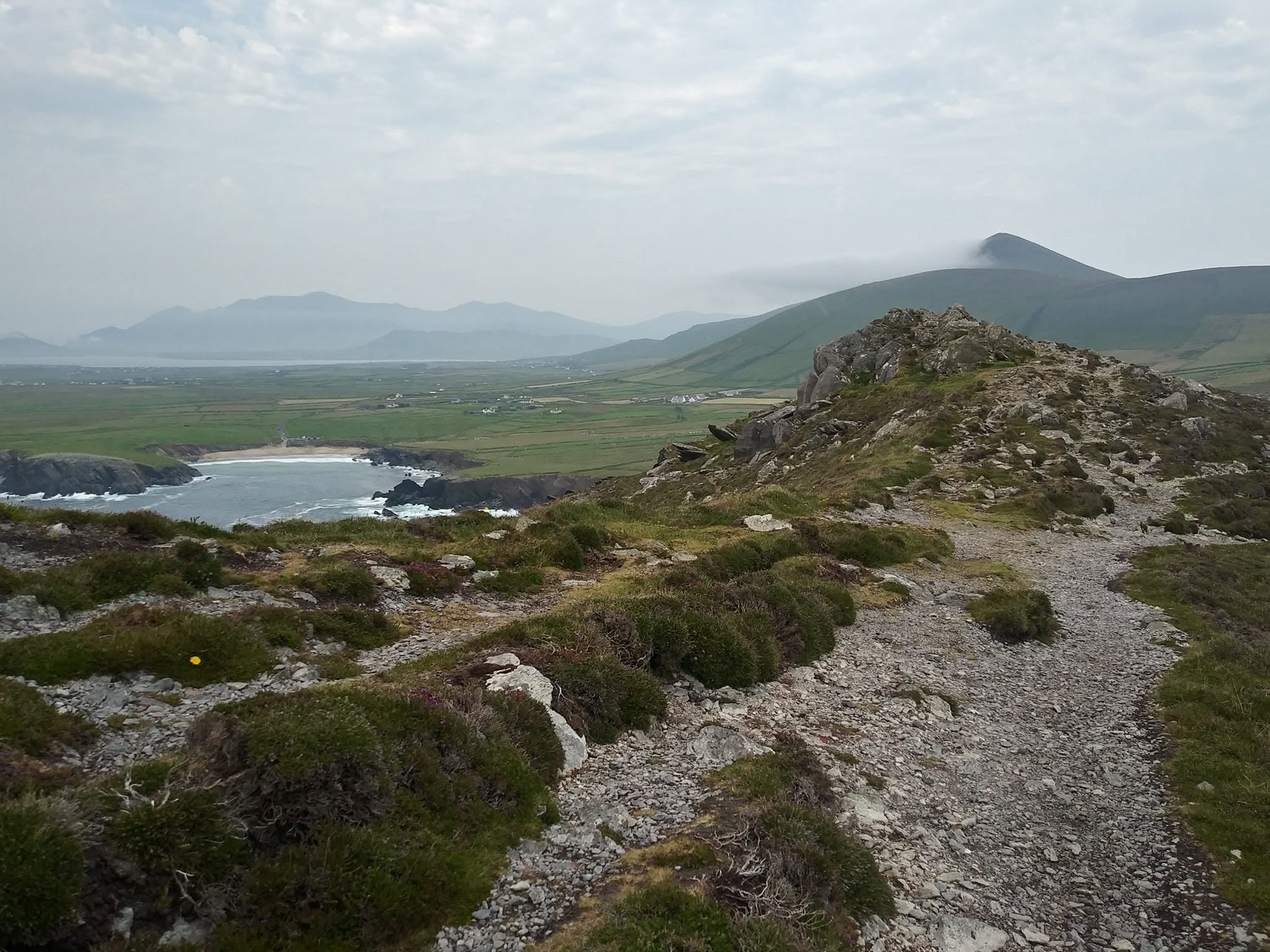
Sometimes the road into a destination is part of the reason for going.
Our First Dingle Plan Wasn't Much of a Plan
Once we arrived, we settled into our B&B.
Our luggage still hadn't.
So we went into town.
We did a little shopping, wandered around, looked at things and generally got acquainted with Dingle.
Nothing monumental happened.
And that's precisely why I remember it fondly.
We weren't trying to make the afternoon justify its place on an itinerary.
At some point we ended up in a pub. It wasn't the Dingle Pub we'd visit later, and I couldn't tell you its name today.
But I remember the bartender.
We started talking about Irish whiskey, which eventually led to him pouring me my first taste of one of Kilbeggan's higher-end whiskeys.
It was remarkably smooth.
Later in the trip, we'd visit Kilbeggan Distillery ourselves, taste whiskey directly from several casks and bring home a numbered bottle from a 14-year-old single cask.
None of that conversation in Dingle had been scheduled.
It happened because we had nowhere else we needed to be.
That's one of the hidden benefits of slowing a trip down. You don't just gain time. You create opportunities for things you couldn't have planned.
Conor Pass Was Part of Having Time
Conor Pass was one of the things we wanted to do while we were in Dingle.
We drove up, stopped near the top and took in the views before continuing across the pass. We waited for some traffic to clear before starting down, but even with a fair amount of traffic, it never felt crazy or became a hindrance.
And because we weren't trying to leave Dingle and reach another hotel that afternoon, there was no reason to rush it.
We could stop. Look around. Take pictures. Wait for traffic. Enjoy the drive.
That may sound like a small distinction, but it's exactly what those three nights gave us.
Conor Pass wasn't something we had to squeeze into the drive to our next destination. It was simply something we could go do because Dingle was already home for a few days.
Dingle Gave Us Room to Wander
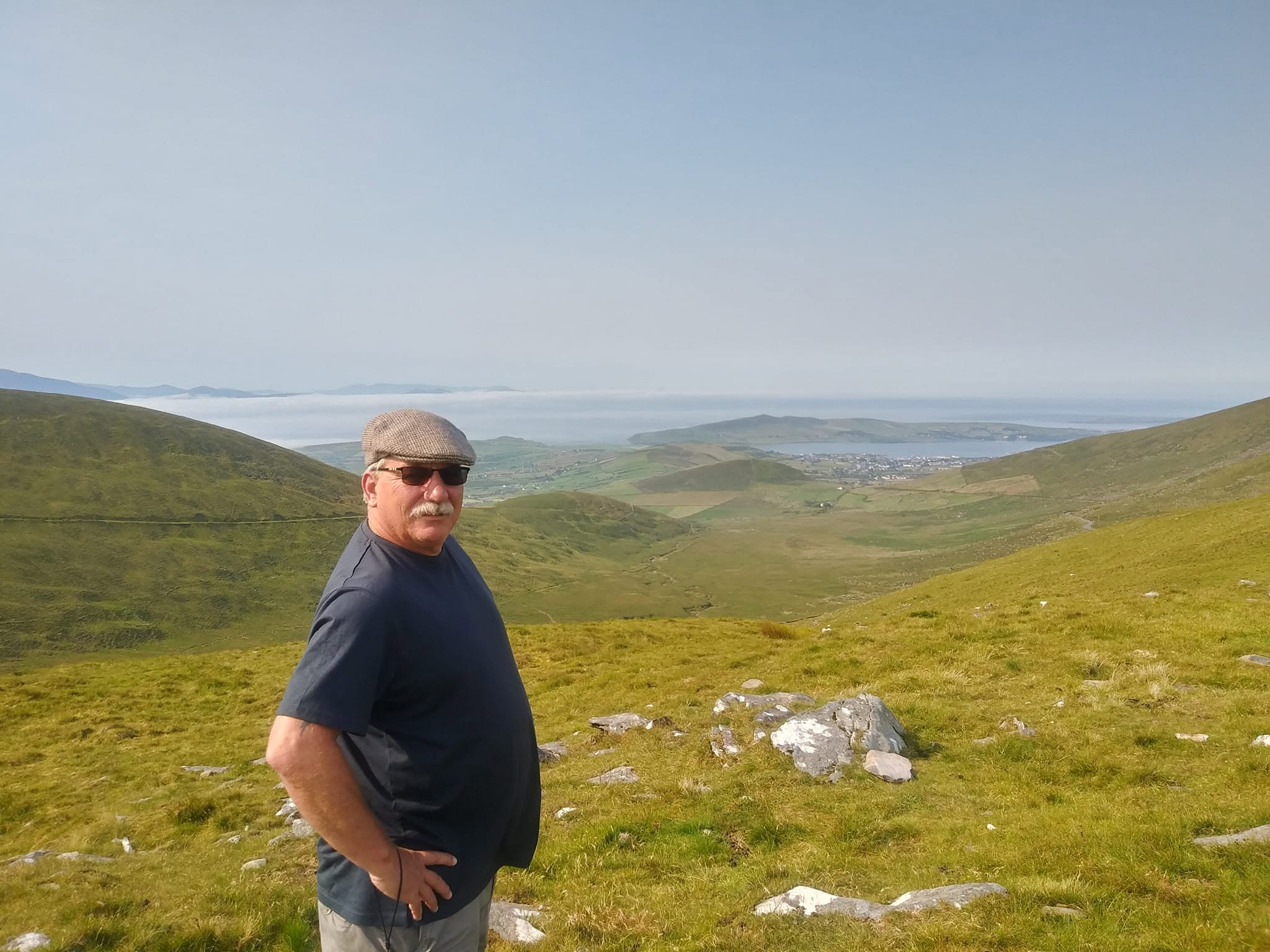
Over the next couple of days, Dingle became less about individual attractions and more about enjoying the area.
We explored the peninsula.
We ate lunch at The Fish Box, a place I'd first read about while researching the trip and later heard recommended by a local. The seafood was fresh, the batter crisp rather than greasy, and their Chip Mate sauce managed to give malt vinegar some serious competition.
We spent time in town.
We listened to live music.
We sat in pubs.
And somewhere in the middle of all of that, our luggage finally caught up with us after being missing for about a week.
There was no single blockbuster attraction responsible for making Dingle one of our favorite stops in Ireland.
It was the accumulation of smaller things.
And because we had three nights, none of them needed to hurry.
Then We Found Eask Tower
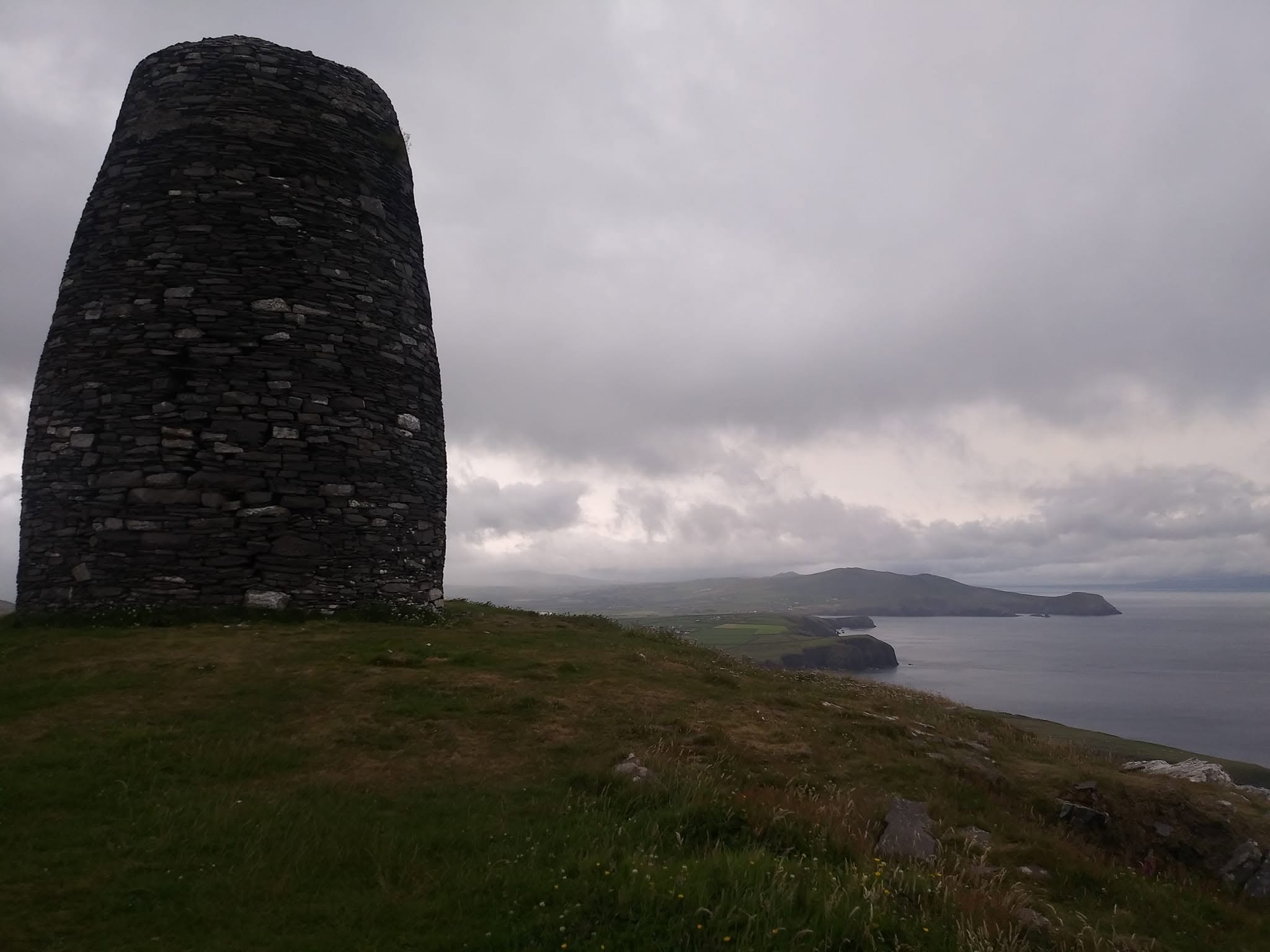
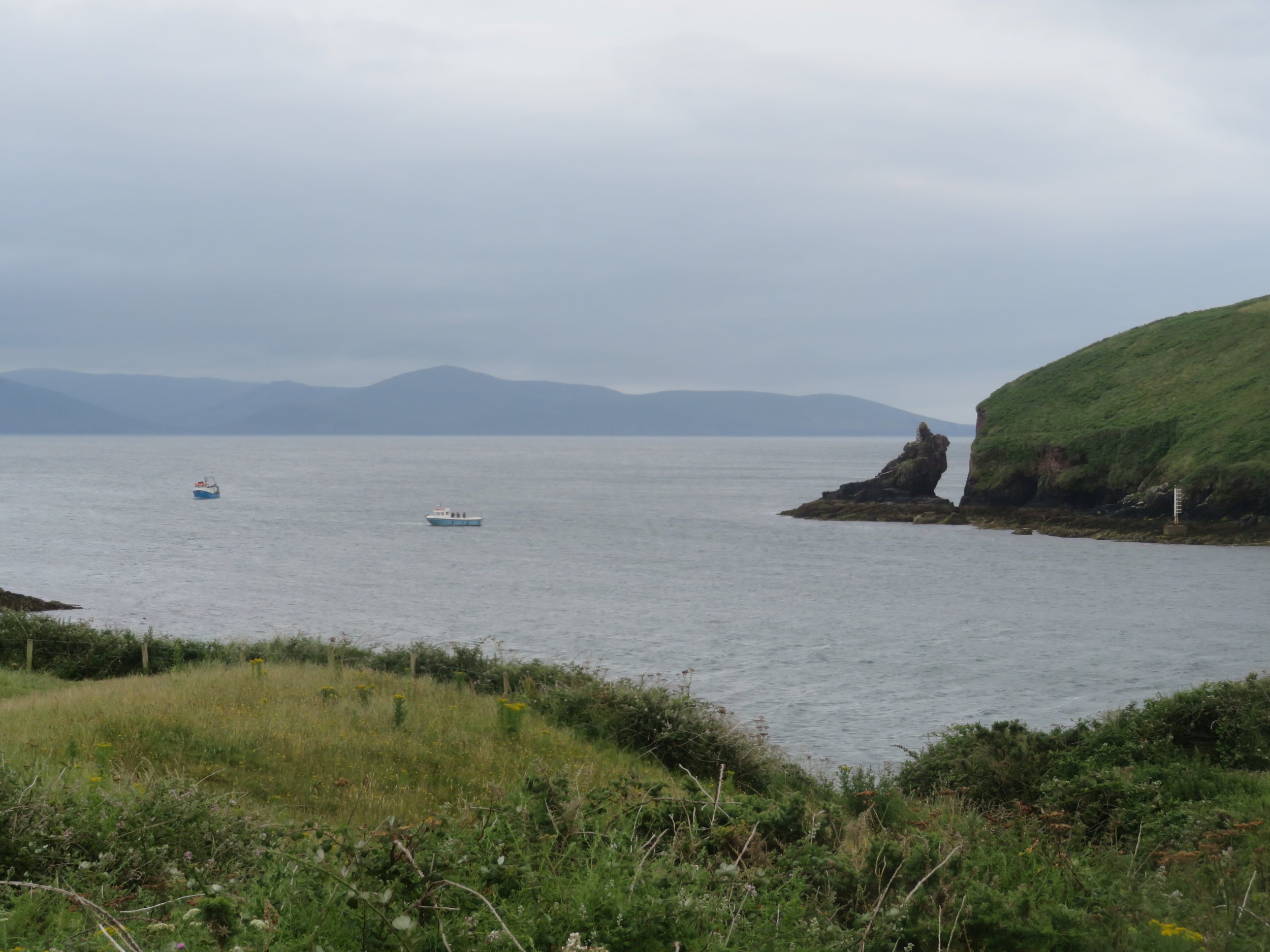
On July 19, our last full day in Dingle, we drove across to the other side of Dingle Harbour.
Eask Tower wasn't one of the anchors we'd built the trip around.
It simply looked like a nice short drive and hike.
So we went.
The stone tower sits high above the entrance to Dingle Harbour. Built in 1847, it served as a daylight navigation beacon rather than a conventional lighthouse, helping ships identify the entrance to a harbor that could be difficult to approach.
We hiked up.
And we had the place to ourselves.
There wasn't a reservation.
There wasn't a schedule.
There wasn't another attraction waiting impatiently for us afterward.
We could walk around the tower, look across the water and simply enjoy being somewhere beautiful.
That afternoon probably wouldn't have happened if Dingle had been another one-night stop.
We would have been driving somewhere else.
And that may be the best argument I can make for giving yourself more time in fewer places.
The B&B We Can't Remember
There's another lesson buried in our Dingle stay.
We stayed three nights in the same B&B.
It was fine.
The house was fine. The hosts were fine. We slept well.
And years later, neither of us can remember what it was called.
I've actually tried to figure it out.
Then I realized something.
It doesn't matter.
If it had been terrible, we'd remember it.
If it had been extraordinary, we'd remember it.
Instead, it did exactly what we needed it to do while Dingle itself became memorable.
Not every hotel, meal, attraction or stop needs to become a story.
Sometimes a perfectly adequate place to sleep is exactly that.
The experience we remember was outside its front door.
Dingle Changed How We Think About Road Trips
By the time we left, something had shifted.
We'd learned how much better it felt to stay somewhere long enough that every morning didn't begin with packing.
Dingle became the clearest example of a lesson we'd carry into future trips:
Do fewer one-night stays whenever possible.
That doesn't mean every destination deserves three nights.
Sometimes one night makes perfect sense. Sometimes you're genuinely using a town to break up a drive.
But there's a cost to moving constantly that doesn't show up on Google Maps.
Packing.
Checking out.
Loading the car.
Driving.
Finding the next place.
Parking.
Checking in.
Unpacking.
Figuring out where you are.
Do that every day and eventually you're spending a surprising amount of your vacation managing your vacation.
Three nights in Dingle removed all of that for two entire days.
We had time to follow recommendations, change our minds, take a drive because something looked interesting, sit in a pub longer than expected or do absolutely nothing for a while.
That's not wasted vacation time.
That's the vacation.
So, How Many Days Should You Spend in Dingle?
For the kind of Ireland road trip we enjoy, we'd choose three nights again without hesitation.
That doesn't mean three nights is the magic number for everyone.
If your goal is primarily to see Dingle town, have dinner and continue along the route, one night may be enough.
If you want to explore the peninsula, drive Conor Pass, spend some time in town, follow a recommendation or two and leave room for whatever you discover after arriving, two or three nights gives you considerably more breathing room.
And if you love slow travel?
We could easily have stayed another night.
In fact, looking back at our Ireland trip, we probably could have said that about almost every place we stayed.
Almost.
Limerick, we're good. 😄
THE CURATED VERDICT
🟢 GO FOR IT: Give Dingle multiple nights if you want the town and peninsula to be part of the experience rather than another stop to collect.
🟡 EVALUATE: A one-night stay can work if Dingle is primarily a waypoint on a faster itinerary, but recognize what you're trading for the extra distance covered.
🔴 SKIP IT: Don't add Dingle simply because someone else's Ireland itinerary says you should. If getting there forces you to rush through places you care about more, build the trip that fits you instead.
The Bottom Line
We didn't love Dingle because we completed everything there was to do.
We loved it because we finally had enough time to stop trying to complete anything.
Conor Pass, fresh seafood, live music, a conversation over whiskey, a hike to an old navigation tower and simply wandering around town became some of the memories that survived long after the itinerary itself faded.
Three nights gave those moments somewhere to happen.
And that may be the most important thing Dingle taught us:
Sometimes the best way to see more of a place is to plan less of your time there.