

Do You Still Need a Travel Camera?
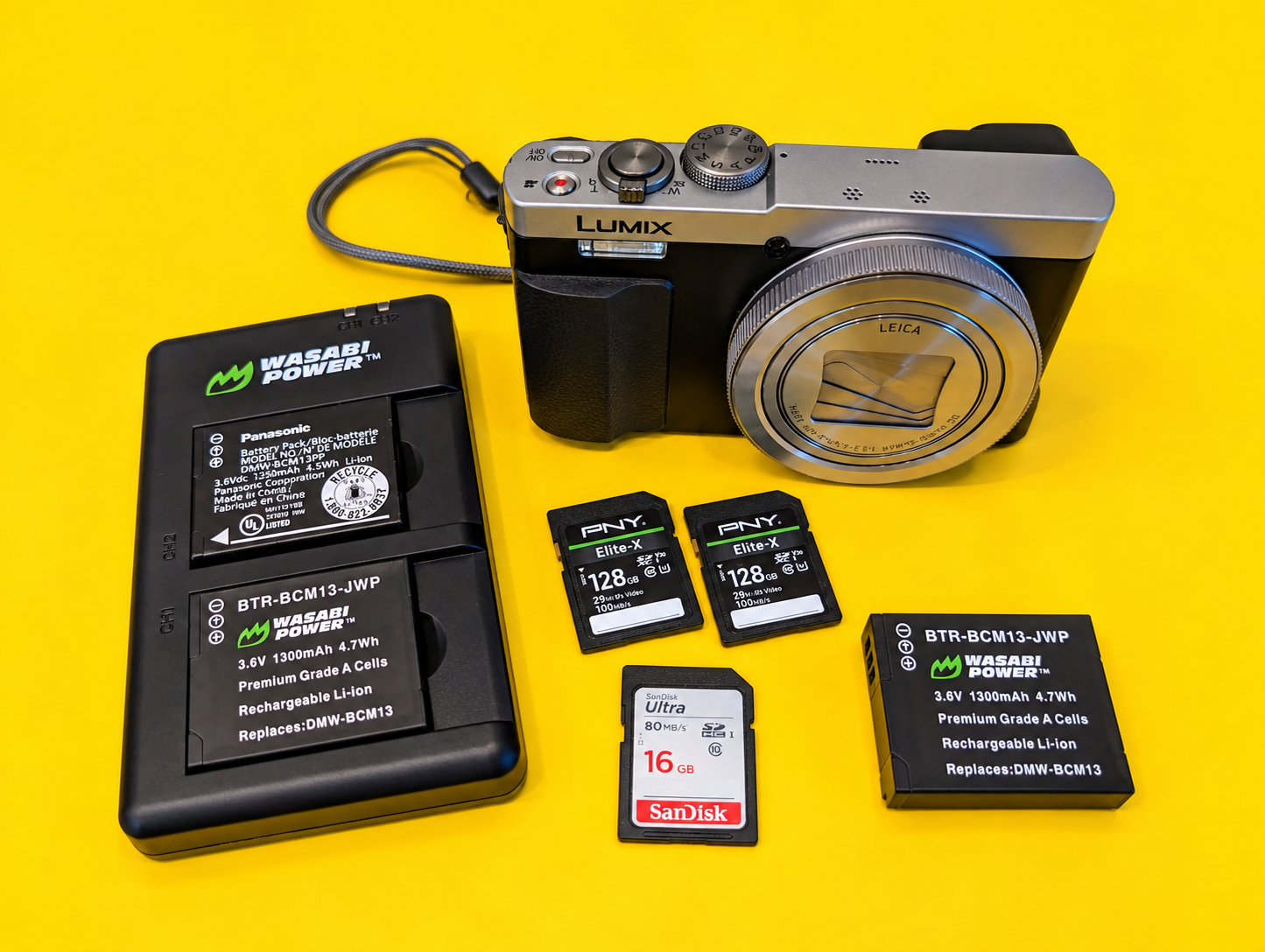
I took a Panasonic Lumix ZS50 and my Google Pixel 7 to a NASCAR weekend to find out whether a separate camera still deserves space in my travel bag.
Disclosure: This article contains Amazon affiliate links. As an Amazon Associate, I earn from qualifying purchases, at no additional cost to you. The equipment and experiences described here are my own.
The Camera I Almost Didn't Need
These days, most of us already carry a pretty capable camera. It's in our pocket, it goes everywhere with us, and it's usually ready before we've even thought about taking a picture.
So why would I pack another one?
That's the question I wanted to answer before our Scotland trip. I bought a Panasonic Lumix ZS50 compact camera, hoping its 30x optical zoom would give me something my phone couldn't.
But specifications on a product page only tell you so much. I wanted to see what it could do in the real world.
Fortunately, we had a NASCAR weekend in Charlotte coming up. Three races, changing light, crowded grandstands, pit road activity, and cars moving at serious speed.
Perfect testing conditions.
I decided to keep things simple. No tripod, no filters, no elaborate manual adjustments. Just point, shoot, and see what happened.
A Camera That Doesn't Require Another Suitcase
My goal wasn't to become a professional photographer. I wanted a compact camera I could carry comfortably while traveling, without hauling around a large camera body and multiple lenses.
The Panasonic Lumix ZS50 caught my attention because of its 30x optical zoom. That's a substantial range for a camera small enough to carry in a jacket pocket or day bag.
I also added a Wasabi Power battery and charger kit and extra SD memory cards. Spare batteries are particularly useful when you're spending an entire day away from the hotel, taking photographs and reviewing them.
The camera's appeal was straightforward: more reach without much more luggage.
But would I actually use it enough to justify bringing it?
Where the Phone Shines
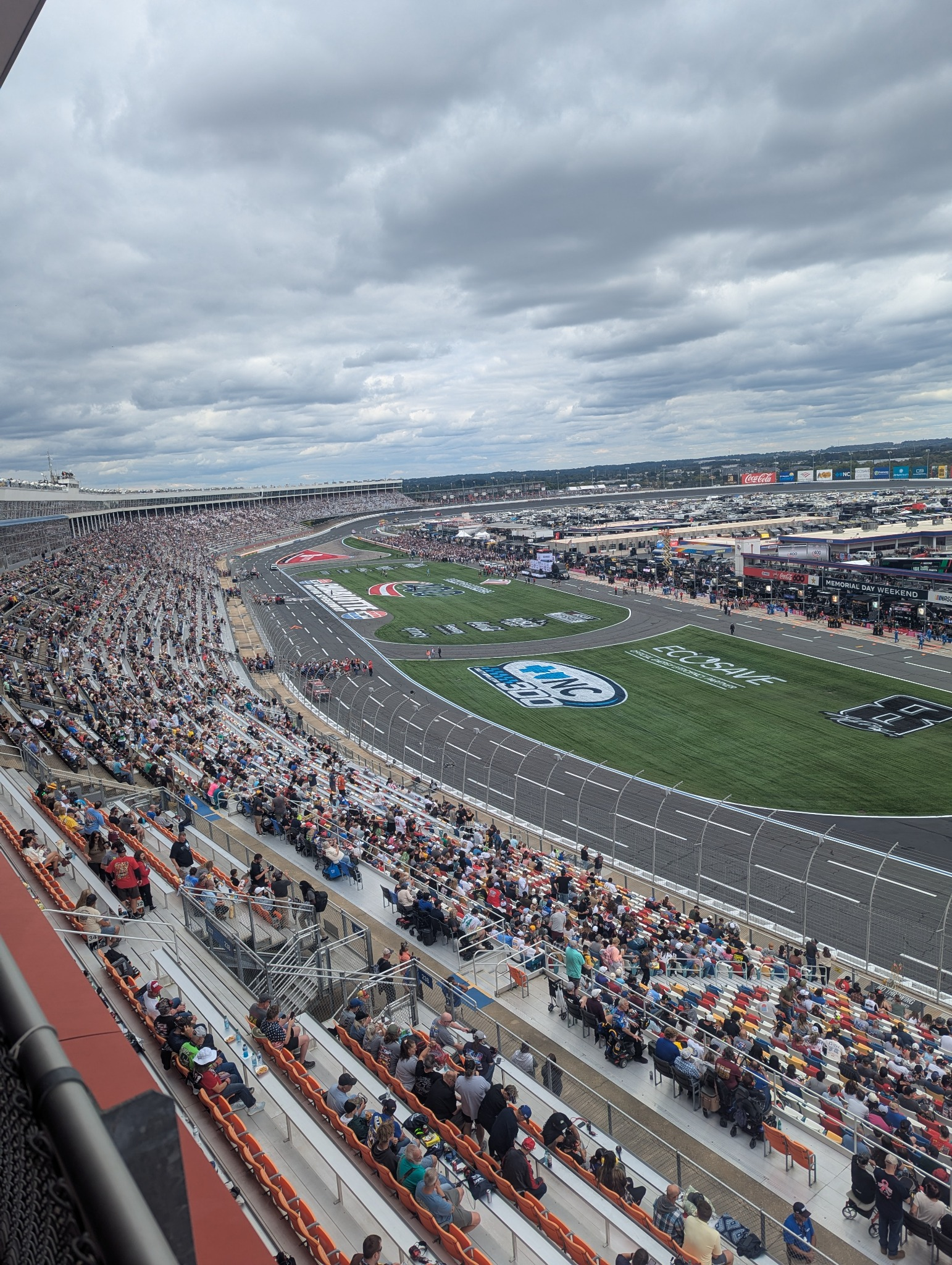
Looking at the wide photograph from our seats, I was reminded why I enjoy taking pictures with my phone.
It captured the entire scene. The grandstands, the track, the pit area, and those enormous clouds rolling across the sky.
I didn't need to change settings or think about lenses. I just took the picture.
For broad travel scenes, quick snapshots, and moments when I want to capture the atmosphere around me, the Pixel is incredibly convenient.
And there's another advantage: the photographs are already on my phone, ready to share.
That's a compelling argument for leaving the extra camera at home.
Until you want to get closer.
Where the Lumix Starts Earning Its Keep
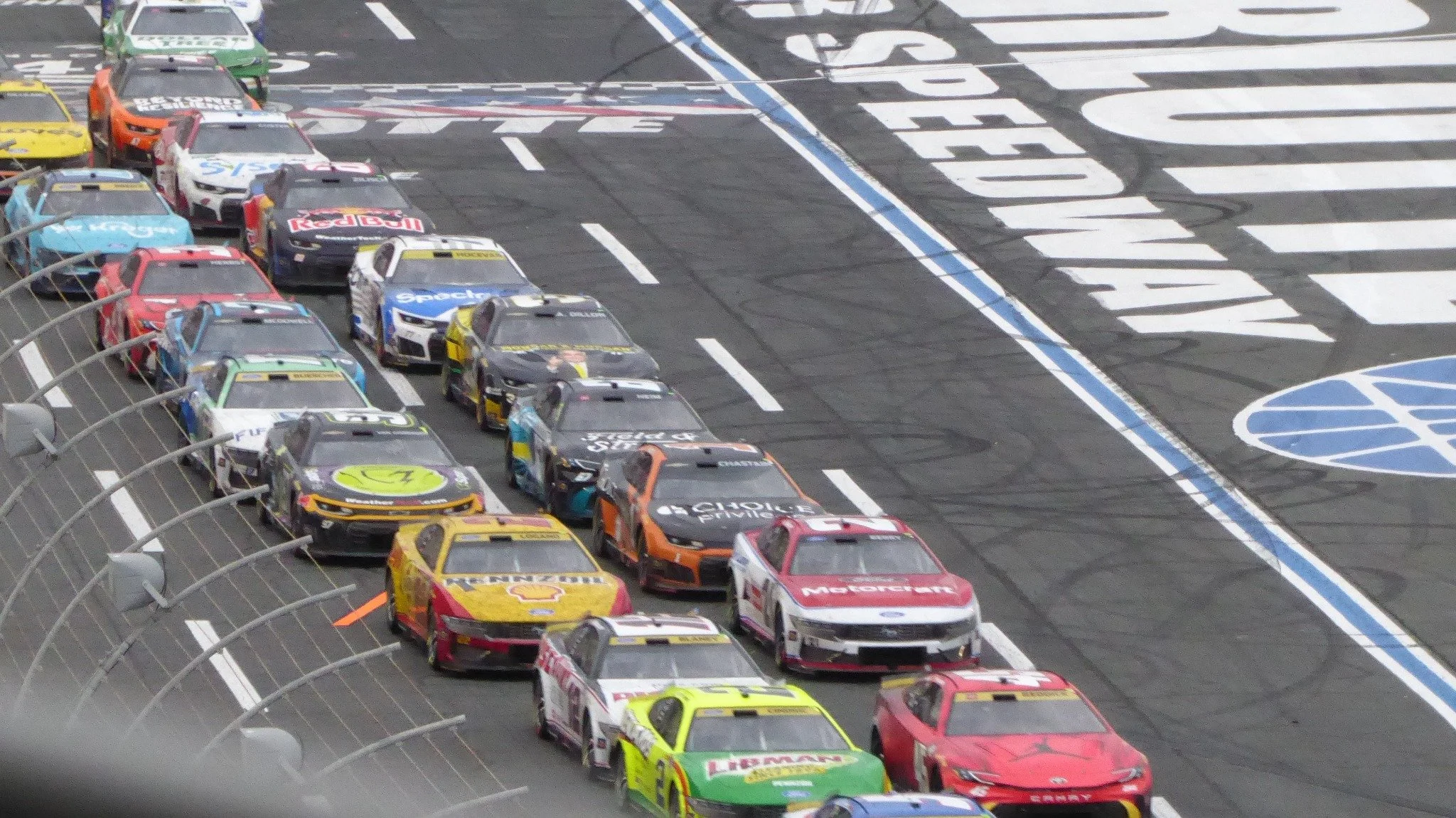
From our seats, the cars were a long way away.
With the Lumix, I could zoom in and bring the action much closer without physically moving. Instead of a photograph dominated by grandstands and asphalt, I could concentrate on the cars themselves.
That's the attraction of a dedicated optical zoom.
The ZS50 isn't a professional sports camera, and I wasn't expecting it to be. But it gave me a different kind of photograph from the same general area.
And that distinction matters.
A travel camera doesn't have to replace your phone to be useful. It just has to do something your phone doesn't do as well.
But Don't Count the Phone Out
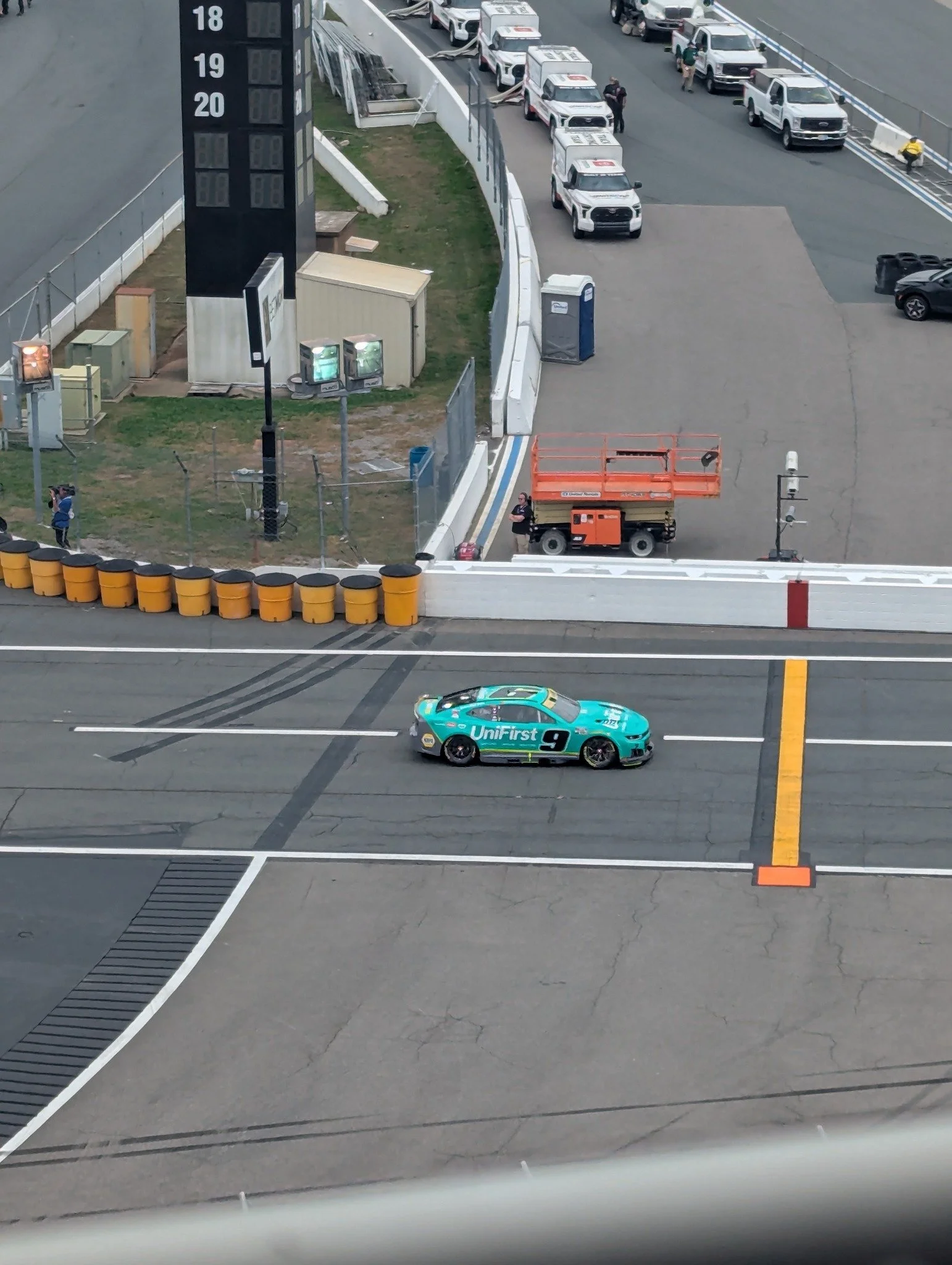
The Pixel wasn't helpless at longer distances.
I zoomed in on the No. 9 car and captured a recognizable, useful photograph from high above the track.
That's important because the phone is the camera I'm most likely to have ready at any given moment.
The trade-off becomes more noticeable when you start examining fine details, especially at greater magnification. A phone's digital processing can do impressive work, but it isn't the same as having a long optical zoom.
Still, for sharing a moment or remembering what I saw, the phone photograph did its job.
The Details Make the Difference
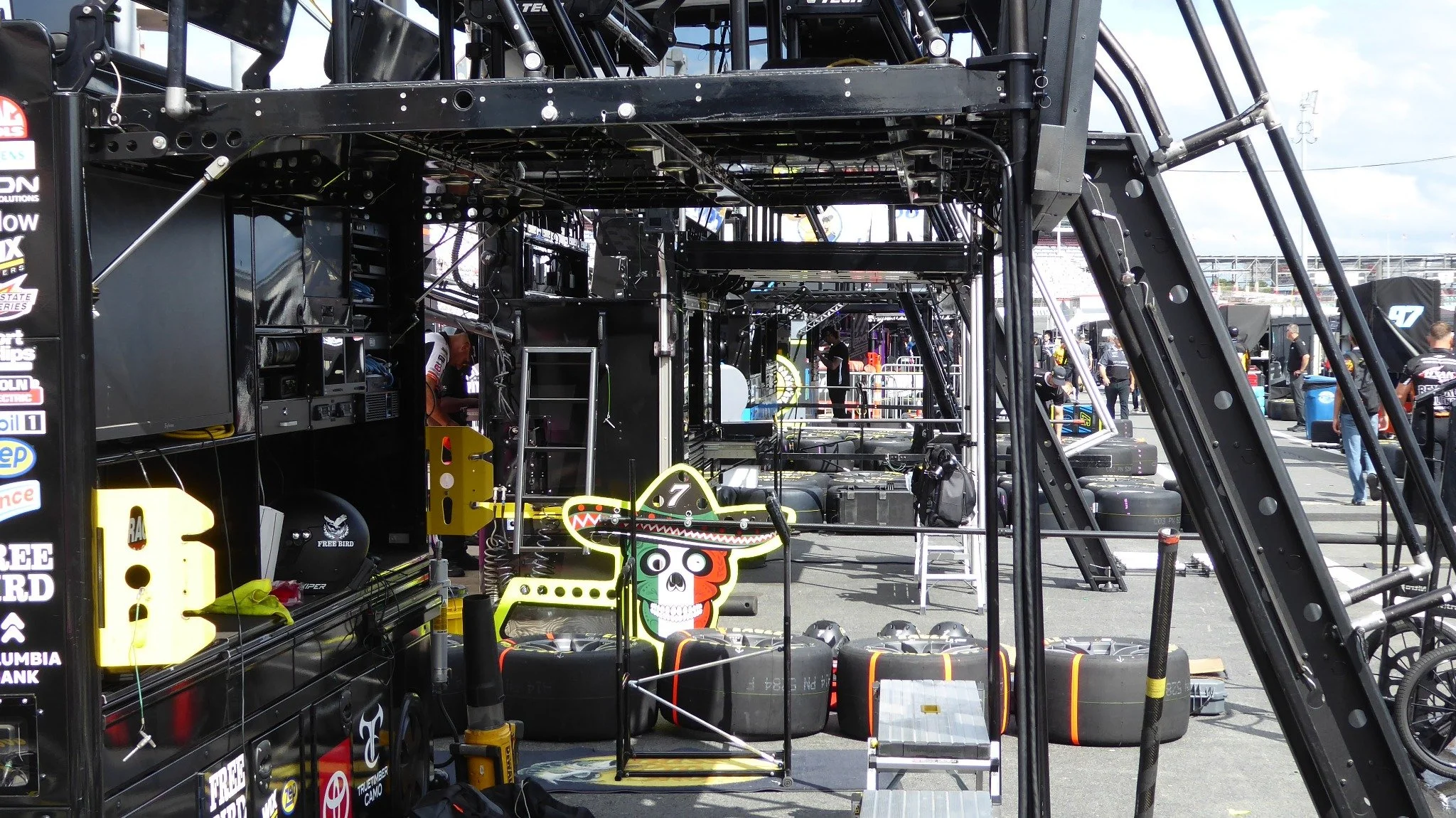
One of my favorite opportunities was getting a look behind the scenes on pit road.
There was equipment everywhere. Tire stacks, workstations, team members, and all the little details that television coverage doesn't always show.
This is the sort of photography I enjoy when traveling.
Not just the famous landmark or the big scenic overlook, but the smaller things happening around it.
The Lumix let me concentrate on details within a busy scene. That's exactly what I hope to use it for in Scotland, whether I'm photographing a distant castle, wildlife, or something interesting happening across a harbor.
Then the Lights Came On
Night photography was another test entirely.
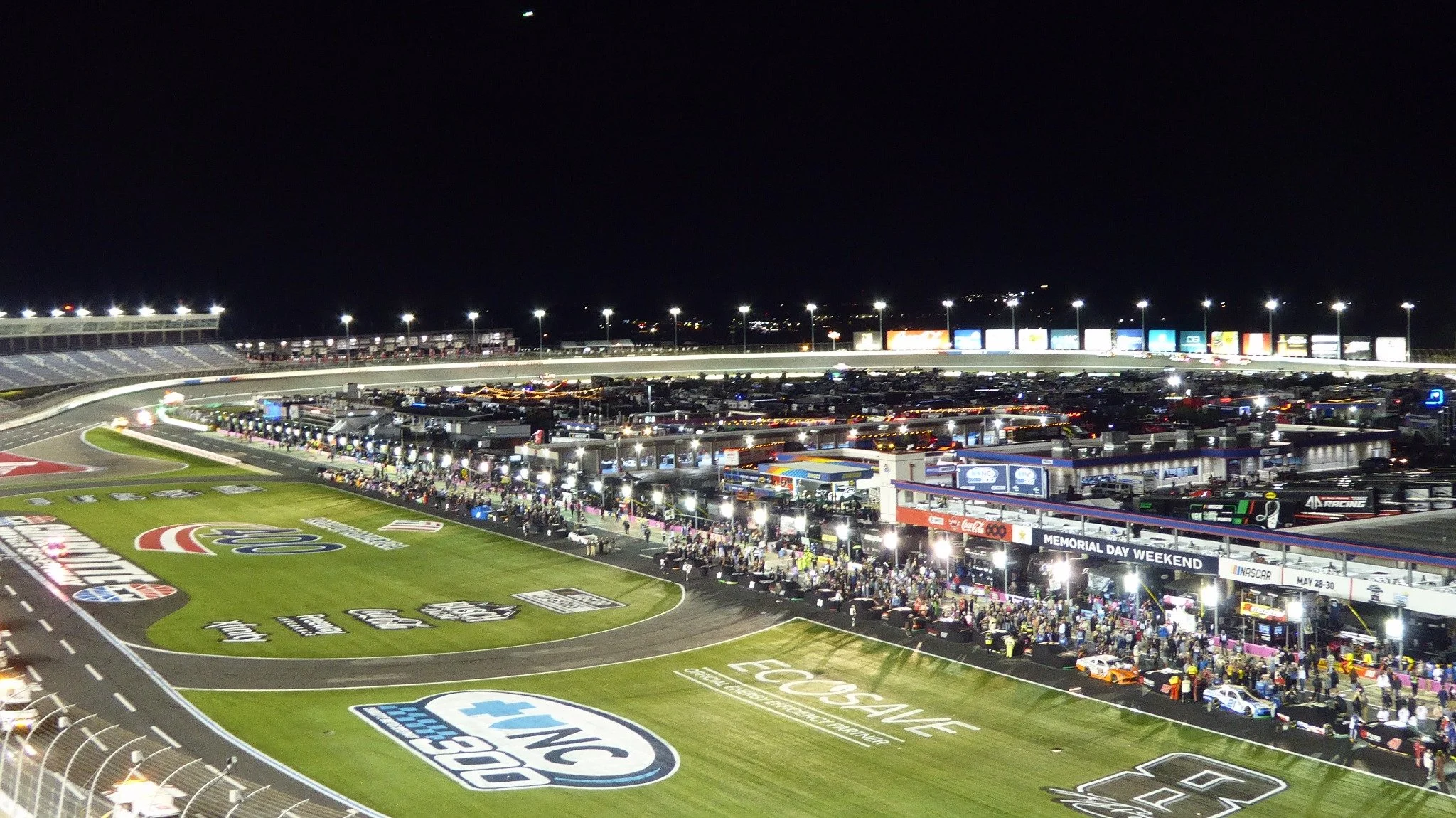
Charlotte Motor Speedway looks dramatically different under the lights. The illuminated pit road, dark sky, and bright track make a terrific scene, but they're also challenging conditions for a small camera.
The Lumix captured the atmosphere in a wide nighttime photograph.
But this is where I also began appreciating how much work modern phones do automatically.
A small travel camera with a long zoom isn't guaranteed to outperform a phone in poor light. As the light drops, keeping images sharp becomes more difficult, particularly when zoomed in.
That's something I'll need to remember when traveling.
Sometimes the Best Camera Is the One Already in Your Hand
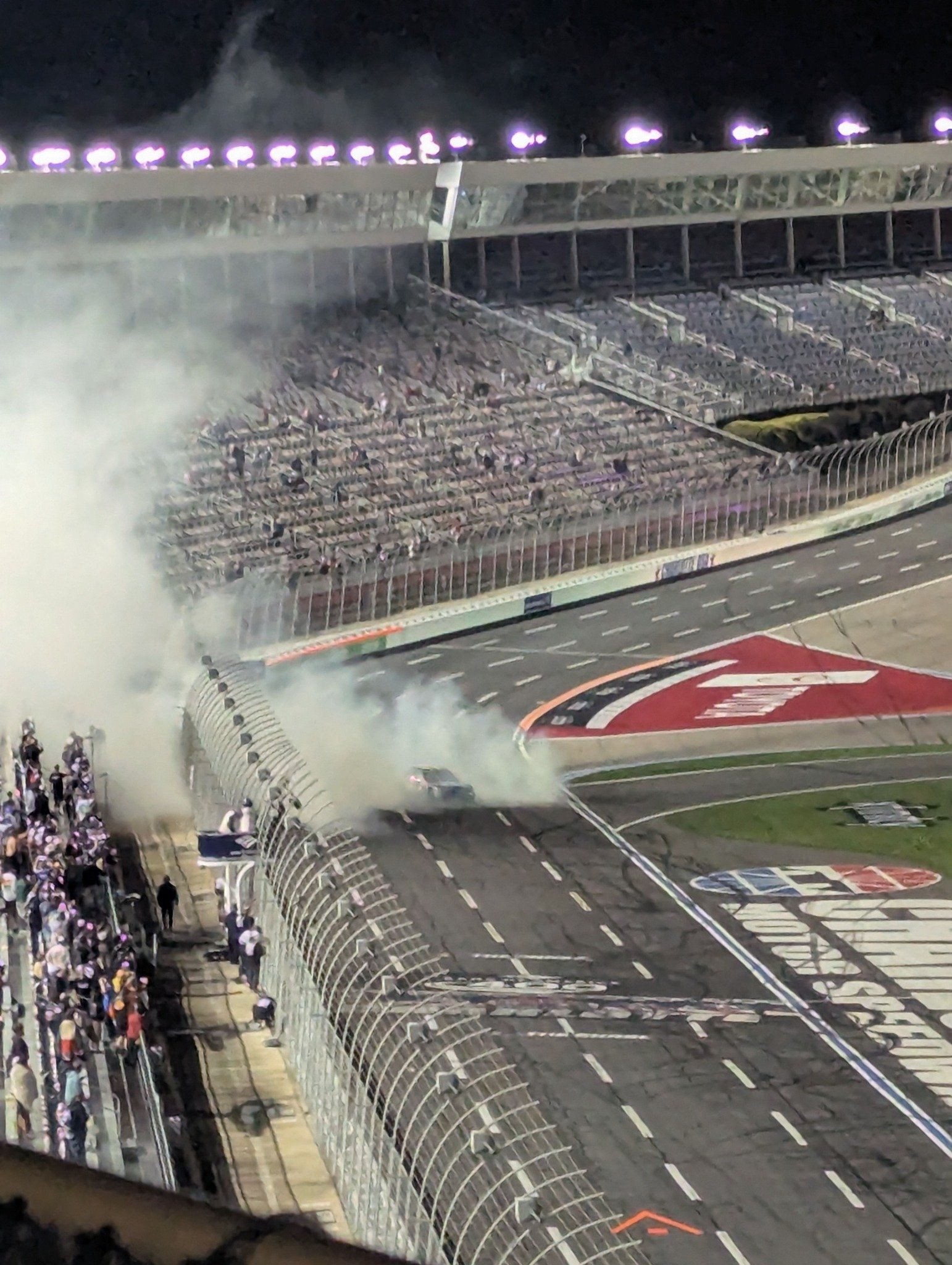
Then came the burnout.
Smoke everywhere. A car almost disappearing into it. The grandstands and track lights framing the scene.
I caught it with my phone.
Was it a perfectly sharp professional photograph? No.
Did it capture the moment? Absolutely.
And that's something I don't want to lose sight of while comparing cameras.
A technically better photograph isn't always a better travel memory.
Sometimes getting the shot matters more than the equipment used to take it.
What I Learned From Charlotte
After looking through the photographs, I don't think there's a single winner.
The Pixel remains my first choice for spontaneous pictures, broad scenes, quick sharing, and situations where I don't want to think about camera equipment.
The Lumix offers something different: the ability to bring distant subjects closer through its optical zoom and frame photographs that would otherwise be difficult to capture from where I'm standing.
I also learned that carrying a dedicated camera doesn't automatically guarantee a better photograph. Light, movement, distance, and how quickly I react all matter.
And because I used both cameras primarily in automatic mode, these results reflect how I actually intend to travel with them, not what an experienced photographer might accomplish with careful manual settings.
PACK IT OR PASS IT?
🟢 Go for it! The Panasonic Lumix ZS50 has earned a place in my Scotland travel bag, particularly for distant scenery, wildlife, and details I can't get close to. The optical zoom gives me a reason to carry it.
🟢 Go for it! The Pixel 7 isn't going anywhere either. It's convenient, capable, and sometimes captures the moment before I've even reached for the other camera.
The real upgrade isn't choosing one over the other.
It's knowing when to use each.
Charlotte was the first serious road test. Scotland will be the next one, with a completely different mix of landscapes, villages, wildlife, and unpredictable weather.
And that's when I'll find out whether the Lumix continues earning its space.
For more on the weekend that provided the testing ground, visit Our Charlotte NASCAR Weekend, where we've collected our experiences at the track and around Concord.