

Try Something New: The No Thank You Portion
You traveled all that way. Why not give something different a chance?
A Camel, a Snake Charmer, and a Family From Boston
Years ago, I took an organized day trip from Spain to Morocco.
We crossed the Strait of Gibraltar by ferry, explored a bustling bazaar, encountered a snake charmer, and even had the opportunity to ride a camel for five dollars.
Five bucks to ride a camel? Absolutely. When was I going to get another chance?
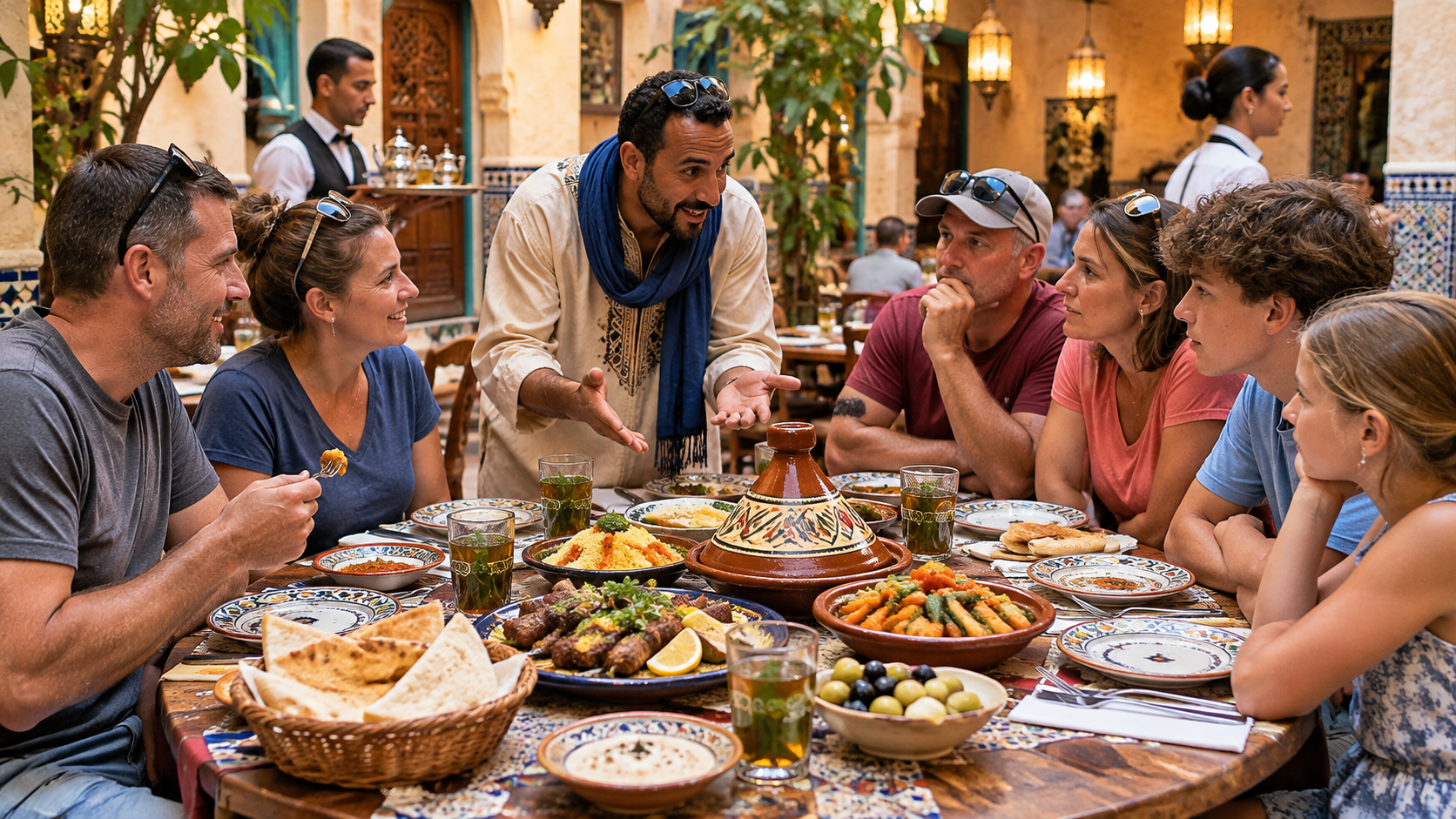
Our excursion also included lunch at a traditional Moroccan restaurant.
There was lamb, couscous, vegetables, olives, bread, hot tea, and local beer.
I was looking forward to it. We'd traveled all the way to Morocco, and trying the local food seemed like part of the adventure.
But a family from Boston sitting near us had a different reaction.
As the food arrived, the comments started.
"What's that?"
"That sounds weird."
"I've never heard of that."
"That looks funny."
Some of the dishes were difficult to pronounce, and the family didn't seem particularly interested in finding out what they tasted like.
They passed on the lamb, couscous, vegetables, olives, tea, and beer.
They ate bread.
Now, I wasn't sitting there interrogating them about their dietary preferences. I can only tell you the impression their comments left me with.
They weren't saying they couldn't eat the food. They seemed unwilling to try something unfamiliar.
Meanwhile, I was enjoying my lunch.
The lamb was excellent, particularly with a sauce that reminded me of tzatziki. The father hadn't touched his lamb kabob, and somehow I ended up eating that one, too.
I wasn't about to let a perfectly good kabob go to waste.
The local beer? It was okay.
I'm glad I tried it, but I wouldn't order another.
And that brings me to something I've believed for years.
The No Thank You Portion
There's a difference between not liking something and never giving it a chance.
You don't have to order an entire plate of unfamiliar food to discover whether you enjoy it.
Sometimes all it takes is one bite.
I call it the No Thank You Portion.
Try a small amount. See what you think.
If you like it, wonderful. You might have discovered a new favorite.
If you don't?
"No, thank you."
That's it. No dramatic reaction, no obligation to finish it, and no need to pretend you enjoyed it.
Of course, this only applies when trying something is safe and appropriate. Allergies, medical conditions, religious practices, dietary restrictions, and food safety always take priority. Nobody should feel pressured to eat or drink something they genuinely don't want.
But if the only thing stopping you is that you've never heard of it, maybe give that little taste a chance.
You might surprise yourself.
The McDonald's Moment
After our day in Morocco, we returned to Spain.
Somewhere along the way, the Boston family spotted a McDonald's.
They were thrilled.
Finally, something familiar!
I found that amusing after watching them eat bread for lunch, but there's an important distinction here.
There's nothing wrong with enjoying familiar food.
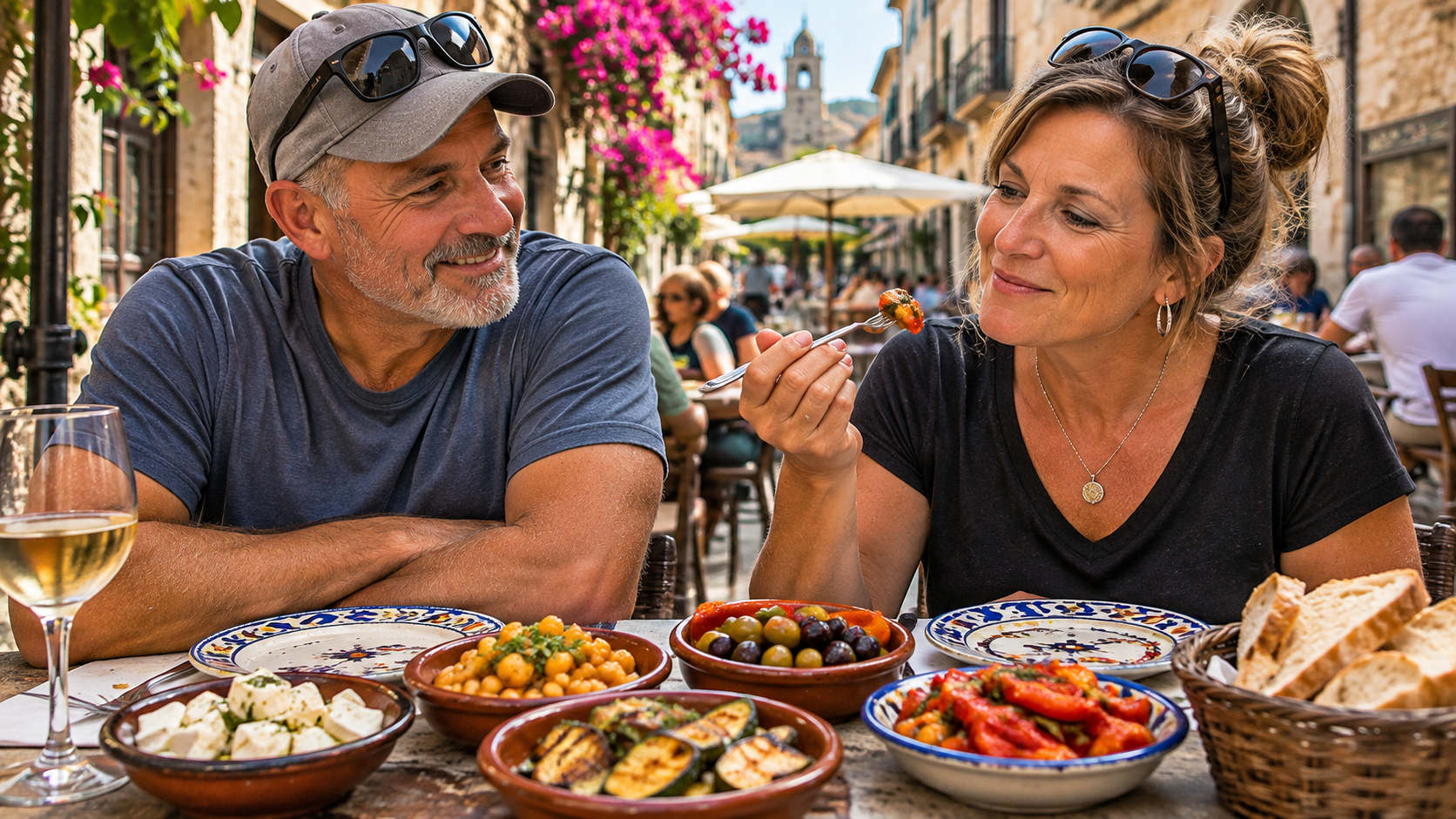
I like IHOP. I like Cracker Barrel. And sometimes a good burger with fresh onion rings and a cold beer is exactly what I'm looking for.
I'm certainly not one of those travelers who believes you have to avoid every chain restaurant to experience a destination properly.
Sometimes you're tired. Sometimes you're hungry. Sometimes you simply want something you know you'll enjoy.
Fair enough.
But there's a difference between choosing something familiar because you want it and automatically rejecting everything unfamiliar because it sounds strange.
One is a preference.
The other might mean missing something wonderful.
Adventure Doesn't Have to Be Expensive
Trying new things doesn't require a reservation at an exclusive restaurant or a tasting menu that costs more than your hotel room.
I've enjoyed Nepalese, Indian, Iranian, Moroccan, and other cuisines simply because something sounded interesting.
Some dishes became favorites. Others weren't worth ordering again.
And that's fine.
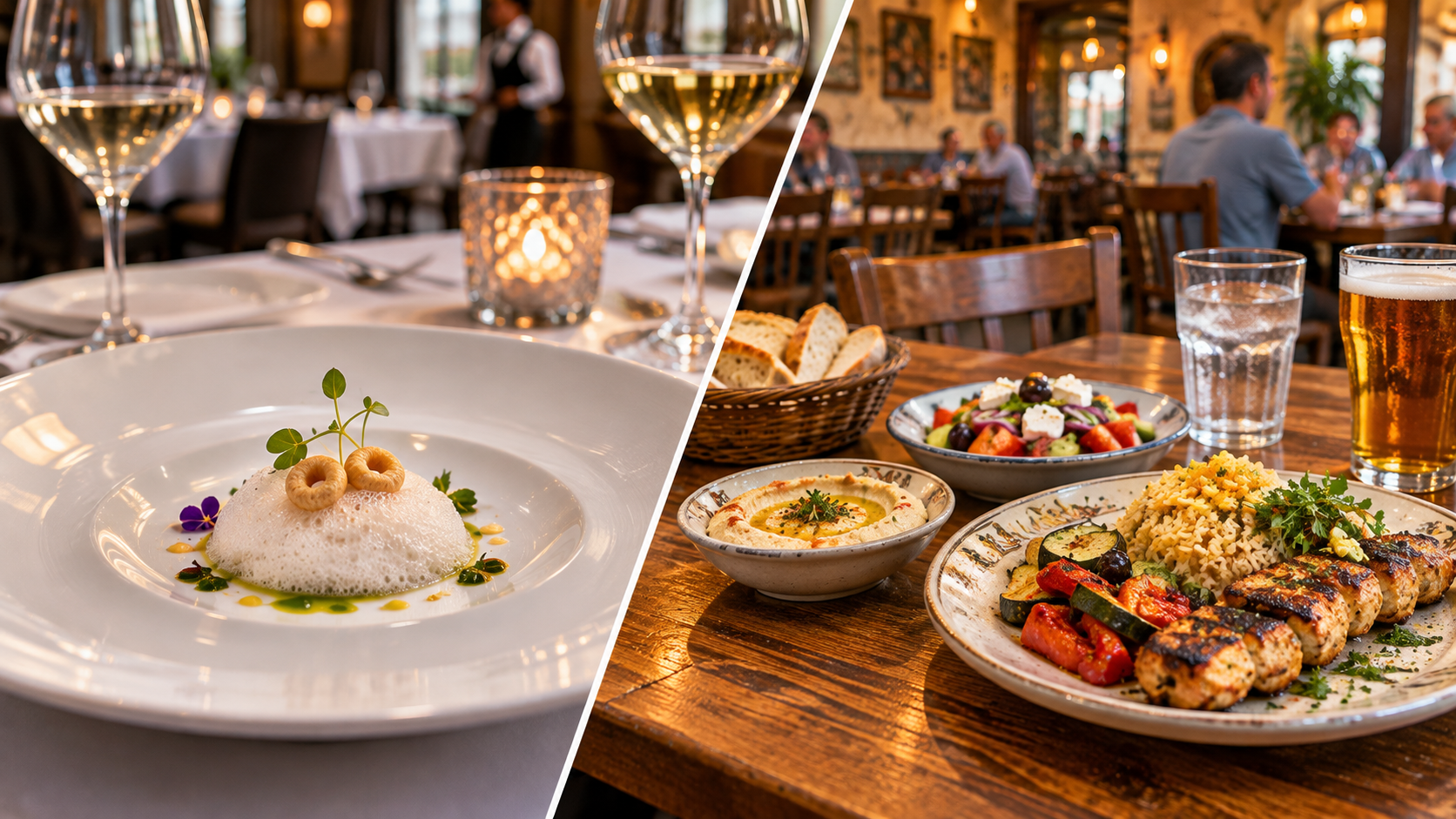
I don't need three nitrogen-frozen Cheerios sitting in a reduction of soy milk foam, topped with a clover leaf harvested by a left-handed leprechaun at midnight on St. Patrick's Day.
Especially if someone wants $85 for it.
Give me a little family-owned restaurant with an interesting menu and someone who enjoys preparing the food.
I'll happily take a look.
Being curious doesn't mean being pretentious. It doesn't mean spending a fortune, either.
Sometimes it simply means ordering something besides your usual.
What If You Don't Like It?
Then you don't like it.
That's a perfectly acceptable outcome.
I've tried foods and drinks I wouldn't order again. I've visited attractions that didn't live up to their reputation. I've taken chances on experiences that sounded better than they turned out to be.
I don't consider all of those failures.
Now I know.
And sometimes learning what you don't enjoy is just as useful as discovering something you love.
The trick is not expecting every unfamiliar experience to become your new favorite.
Some will.
Some won't.
But you'll have a better idea of what interests you the next time an opportunity comes along.
The No Thank You Portion Isn't Just About Food
The more I think about it, the more this philosophy applies to travel itself.
Maybe you've never been particularly interested in visiting a small local museum. But you're walking past one, admission is inexpensive, and you've got an hour to spare.
Why not?
Perhaps someone recommends a scenic road that isn't on your itinerary. Or there's a local festival happening nearby. Or you come across an activity you've never considered.
You don't have to rearrange your entire vacation around it.
Just give yourself the opportunity to discover something different.
Sometimes you'll be glad you did. Other times you'll decide it wasn't worth repeating.
And occasionally, something you almost passed up becomes one of your favorite memories.
We've had some wonderful experiences that began with little more than, "That looks interesting. Want to try it?"
Of course, common sense still applies. Safety, physical limitations, cost, and personal comfort matter. Some experiences require considerably more planning than ordering an unfamiliar appetizer.
The point isn't to say yes to everything.
It's to avoid saying no automatically.

Your Trip, Your Decision
Spend a few minutes reading travel-group discussions and you'll see just how differently people experience the same destination.
One person calls an attraction unforgettable.
Another says it's a complete waste of money.
Who's right?
Possibly both.
Reviews and recommendations can be useful, but they aren't substitutes for knowing your own interests.
You don't need a hundred strangers to approve your restaurant choice, hotel, or afternoon plans.
And you certainly don't need to enjoy something simply because everyone else says you should.
The goal is to make informed decisions while leaving a little room for discovery.
Sometimes that means following a recommendation.
Sometimes it means ignoring one.
And sometimes it means trying something unfamiliar just to see what happens.
It's the same thinking behind Build Your Own Travel Library: Save the Ideas, Remember the Lessons. Collect ideas, learn from your experiences, and decide what makes sense for you.
You Traveled All That Way. Why Not?
I still remember that lunch in Morocco.
The food, the atmosphere, the people, the extra lamb kabob, and the beer I was perfectly happy not to order again.
I remember the Boston family, too.
I hope they enjoyed their day. They'd crossed into another country, explored a bazaar, and experienced a place very different from home. That deserves credit.
But I still wonder whether one small taste of that lunch might have surprised them.
Maybe they wouldn't have liked it.
Maybe they would have discovered something wonderful.
We'll never know.
And that's the part that stays with me.
Travel gives us opportunities to experience things outside our everyday routines. We don't have to embrace every one of them, and we certainly don't have to love everything we try.
But sometimes a little curiosity is all it takes.
Try the unfamiliar appetizer. Explore the interesting side street. Stop at that little museum. Consider the excursion you wouldn't normally choose.
And if it turns out not to be your thing?
Smile and say, "No, thank you."
You don't have to order a second one to be glad you tried the first.