

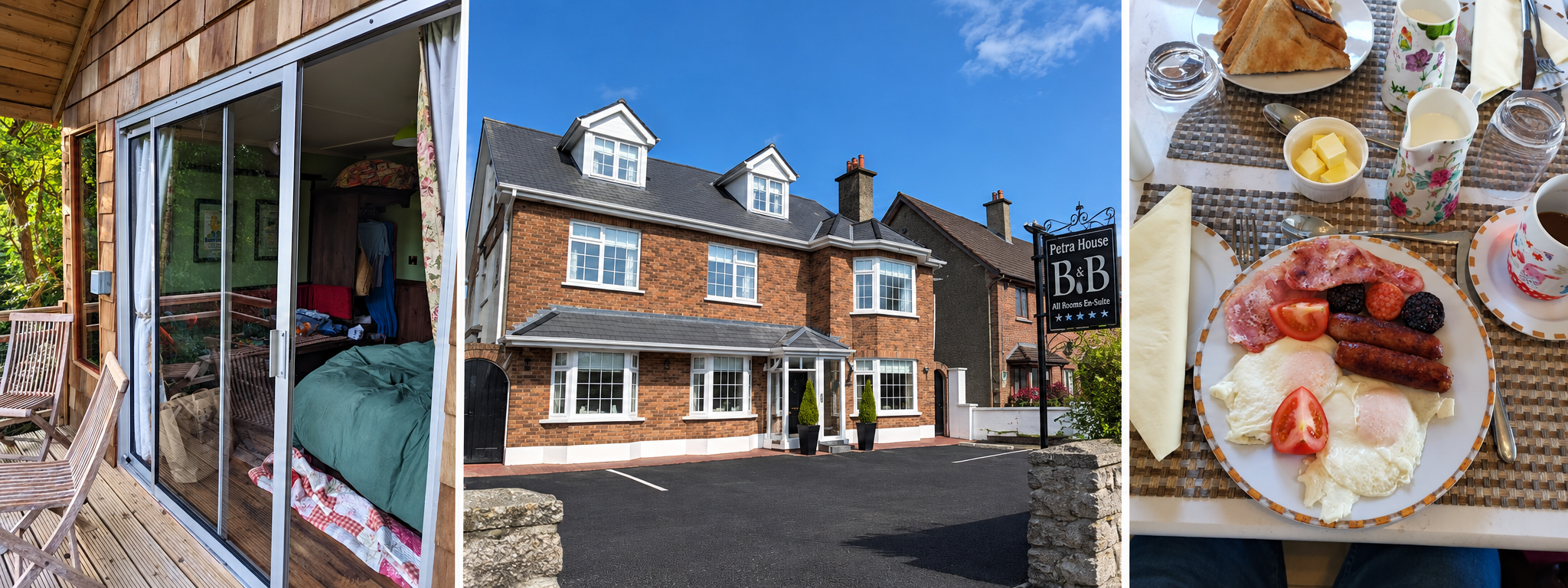
What Type of Lodging Is Right for Your Trip? Lessons From Ireland
A treehouse, a country house, a four-star hotel, a medieval tower and one perfectly good B&B we can no longer identify taught us that the best place to stay isn't always the “best” accommodation. It's the one that fits what you need from that particular stop.
When we planned our road trip through Ireland, we didn't decide that we were “B&B travelers” or “hotel travelers.”
We mixed things up.
We slept in a treehouse on a small farm. We stayed in family-run B&Bs and a quiet country house. We spent a night in a polished four-star hotel. Near the end of the trip, we slept inside a restored centuries-old tower house.
And somewhere in Dingle, there is apparently a perfectly respectable B&B whose name has completely disappeared from both of our memories.
That last one may actually prove the point better than all the others.
There isn't one type of lodging that's right for an entire trip.
The better question is:
What do I need my lodging to add to this particular part of the trip?
Sometimes the answer is an experience.
Sometimes it's location.
Sometimes it's quiet.
Sometimes it's service and comfort.
And sometimes you just need a clean, comfortable bed while the destination does the heavy lifting.
When the Lodging Is Part of the Experience
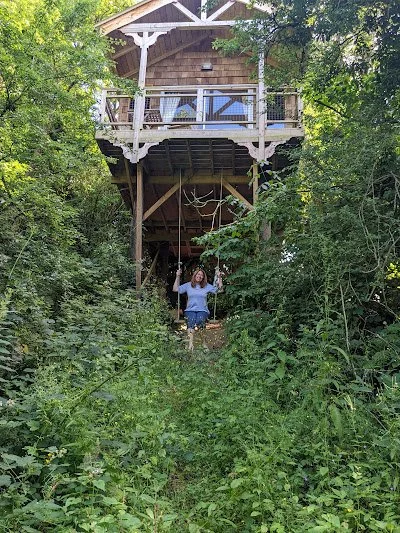
Our first planned stay in Ireland was a treehouse at Lawcus Farm near Kilkenny.
We didn't choose it because a treehouse was the most practical accommodation available. It wasn't.
We chose it because sleeping in a treehouse on a small Irish farm sounded fun.
That's an important distinction.
There are times when lodging is simply infrastructure. There are other times when the accommodation itself deserves a place on the itinerary.
A treehouse, glamping tent, houseboat, converted railway carriage, historic inn or farm stay may give up some of the predictability of a conventional hotel. The room might be smaller. The bathroom might be unusual. Climate control, storage and other creature comforts may not resemble what you'd find at a major hotel.
But that's not necessarily a downgrade.
You're buying something different.
You're buying experience.
When considering an unusual stay, don't compare it feature-for-feature with a conventional hotel. Ask whether what you're giving up is worth what you're getting instead.
For us in Ireland, sometimes it was.
“Map First, Book Second: Plan the Experience Before the Reservations.”
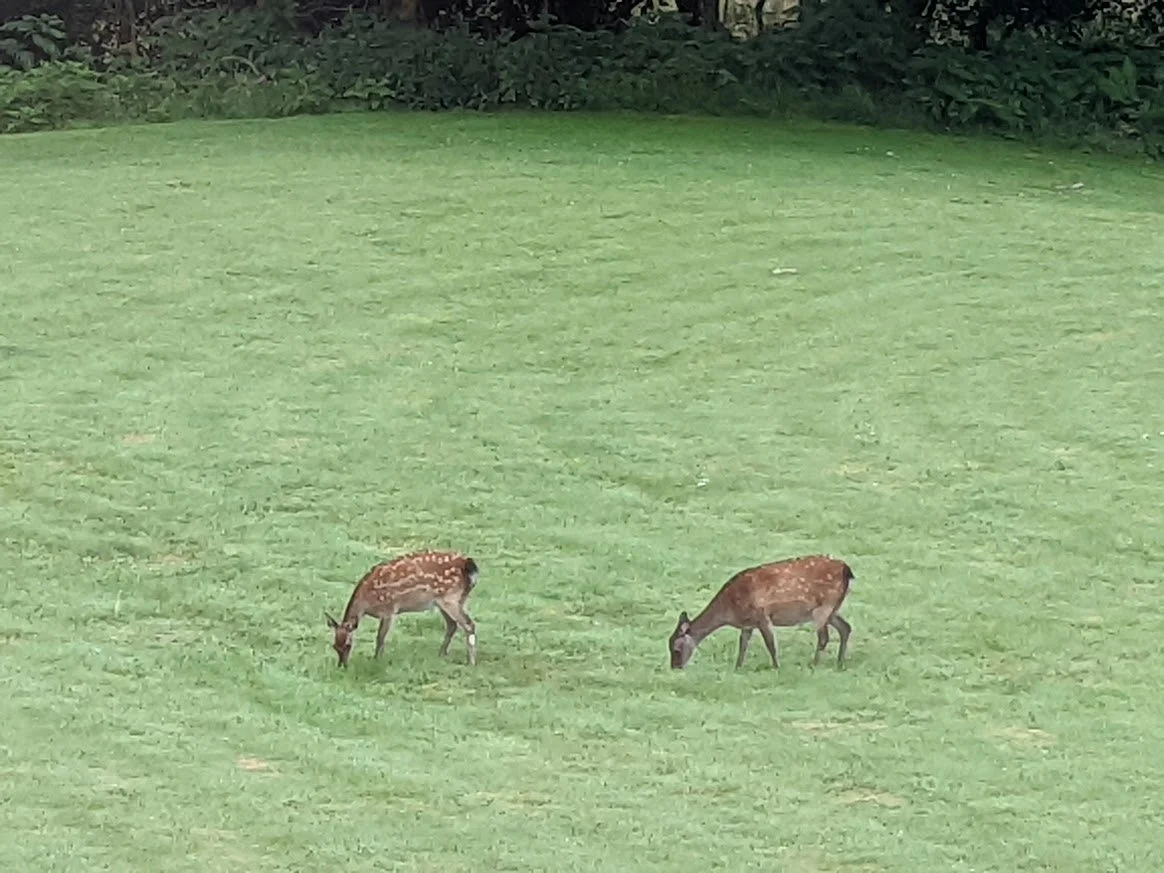
One morning, deer were grazing outside while we ate breakfast.
That's a very different experience from stepping out of a city hotel onto a busy street.
Neither is inherently better.
If restaurants, pubs, museums and public transportation are the priority, being able to walk out the door and immediately join the action may be worth far more than a pastoral view.
If you're already traveling by car and exploring the countryside, moving a few miles away from town can sometimes buy you quiet, space, easier parking and surroundings that become part of the stay.
Location isn't just about distance from attractions.
It's about what you want to find when you open the door.
Sometimes You're Choosing the Setting
Near Killarney, we stayed at Friars Glen Country House.
Friars Glen is no longer operating as the B&B we visited, so this isn't a recommendation to book it. What matters here is why that kind of accommodation worked for that part of our trip.
We weren't looking for nightlife outside the front door.
We were exploring the surrounding area by car. Being outside town wasn't an inconvenience. The quiet setting was part of what we wanted.
Sometimes You Want a Proper Hotel
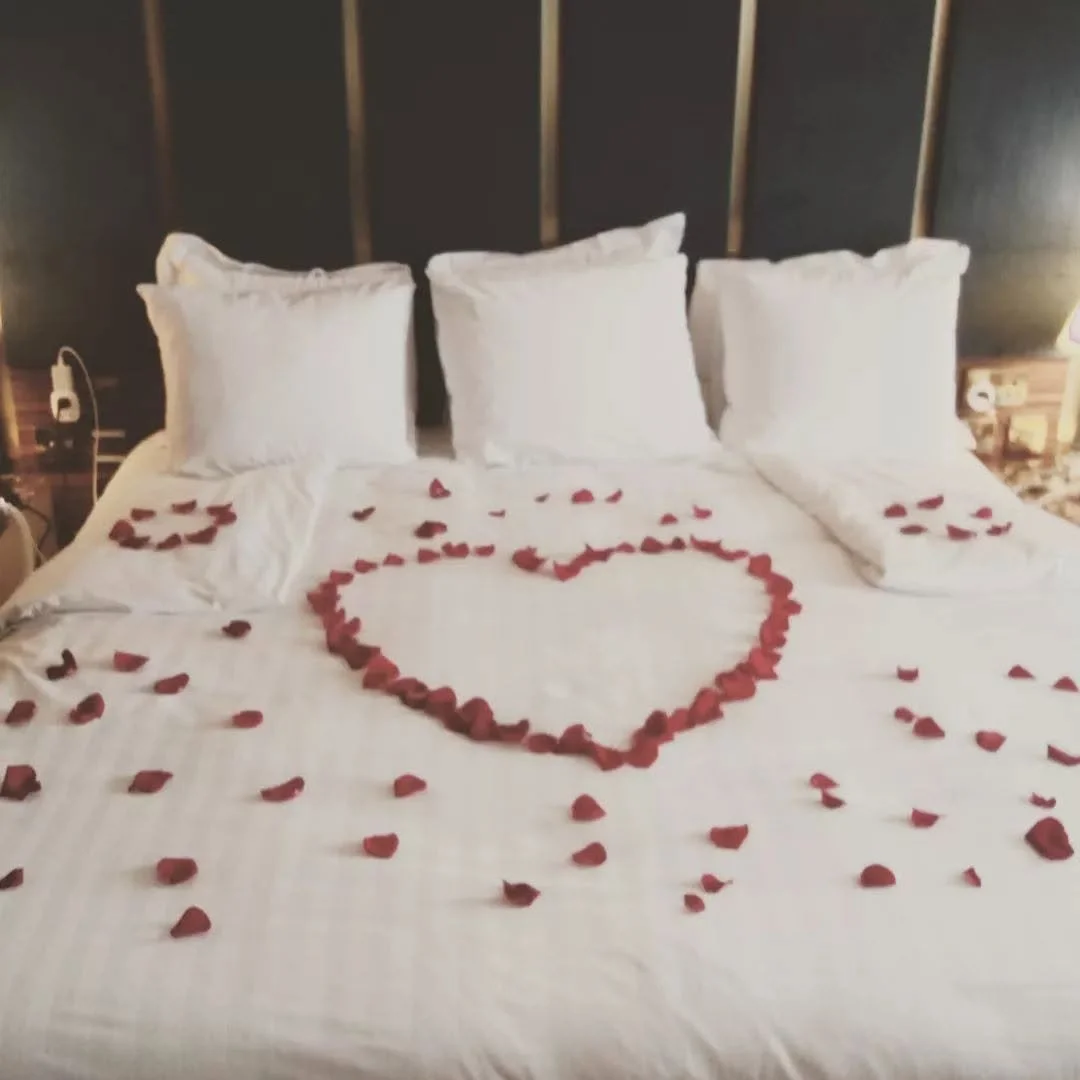
After several smaller and more personal stays, we spent a night at the Savoy Hotel in Limerick.
And there is absolutely nothing wrong with that.
Independent B&Bs and unusual accommodations get a lot of romantic attention in travel planning. Full-service hotels exist for good reasons.
There can be enormous value in knowing roughly what you're going to get: professional staffing, established services, a conventional room, hotel amenities and fewer surprises.
There are also points during a longer trip when that predictability can feel particularly good.
Maybe you've been moving every few days.
Maybe you've been staying somewhere rustic.
Maybe the weather has been miserable.
Maybe you want room service, an elevator, a bar downstairs or simply a bathroom that doesn't require an owner's manual.
Choosing local accommodations doesn't need to become a purity test.
The Savoy wasn't our most memorable lodging in Ireland, but that doesn't mean a full-service hotel was the wrong category of accommodation. It simply delivered a different kind of stay.
Comfort can be the experience you need next.
That can be especially important on longer trips. Variety doesn't only keep the trip interesting. Sometimes it keeps the travelers functioning.
Historic Lodging Comes With a Trade
Then there are places where the building itself is the reason you're staying.
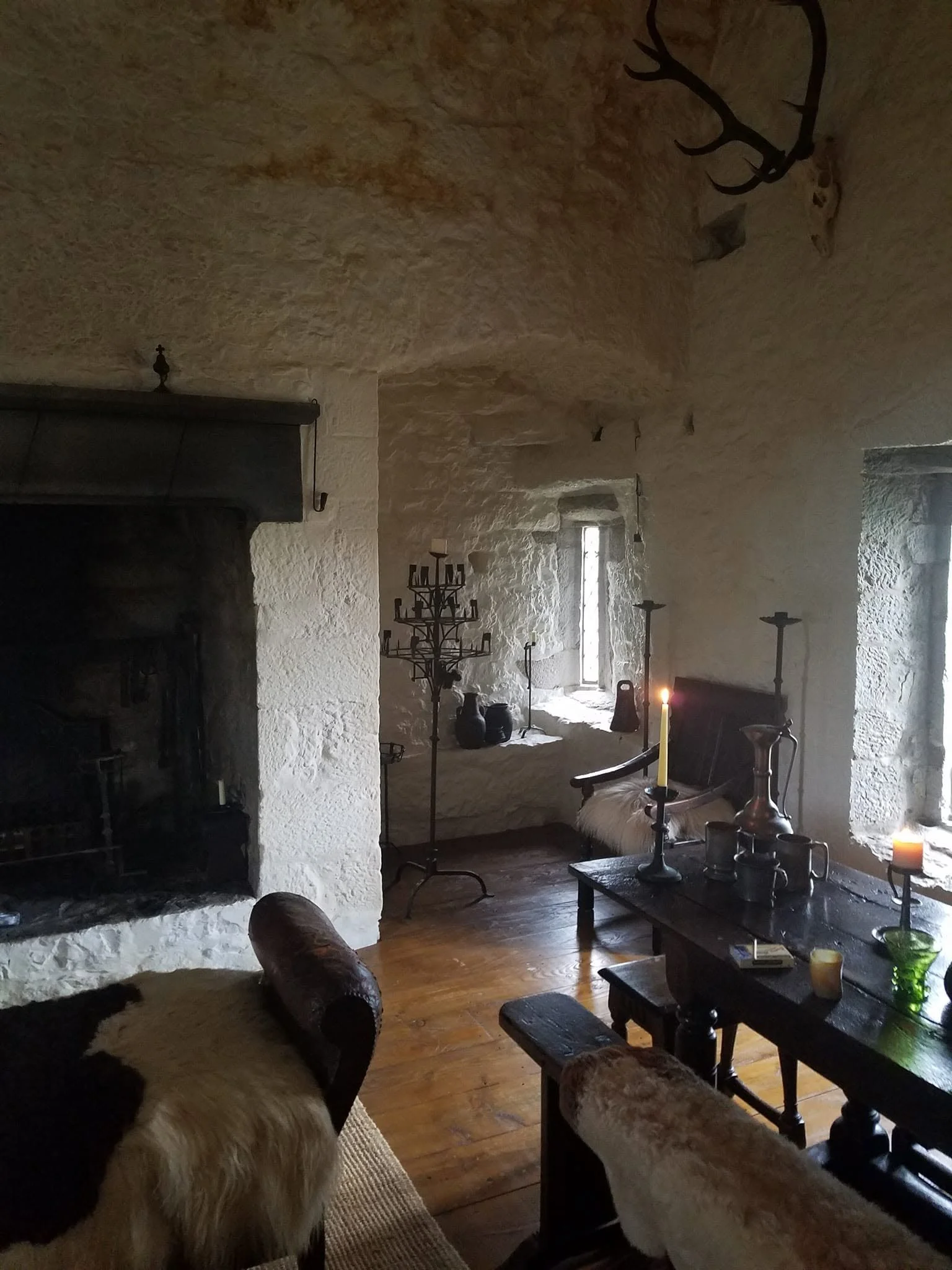
Black Castle was that for us.
This wasn't a modern hotel decorated to look old. We were staying in a restored historic tower house, and the experience came with characteristics that would be absurd in a conventional hotel.
Parts of the building had limited modern conveniences. The Great Hall was illuminated largely by natural light, fire and candles. The building had narrow passages, stone walls and centuries of architectural history that nobody had tried to disguise behind drywall and recessed lighting.
That's precisely why we wanted to stay there.
Historic lodging often asks travelers to make a trade:
modern convenience for character.
Before booking something genuinely old, read the description carefully.
Stairs can be steep. Floors can be uneven. Bathrooms may be unconventional. Heating can be different. Accessibility may be limited. Wi-Fi may range from excellent to “perhaps the ravens can deliver your email.”
Those aren't insignificant concerns, particularly for travelers with mobility needs or anyone who simply values modern conveniences.
But if you're comfortable with the compromises, a historic stay can provide something a conventional hotel simply can't reproduce.
You aren't merely sleeping near the history.
For a night, you're living inside it.
And Sometimes You're Just Booking a Bed
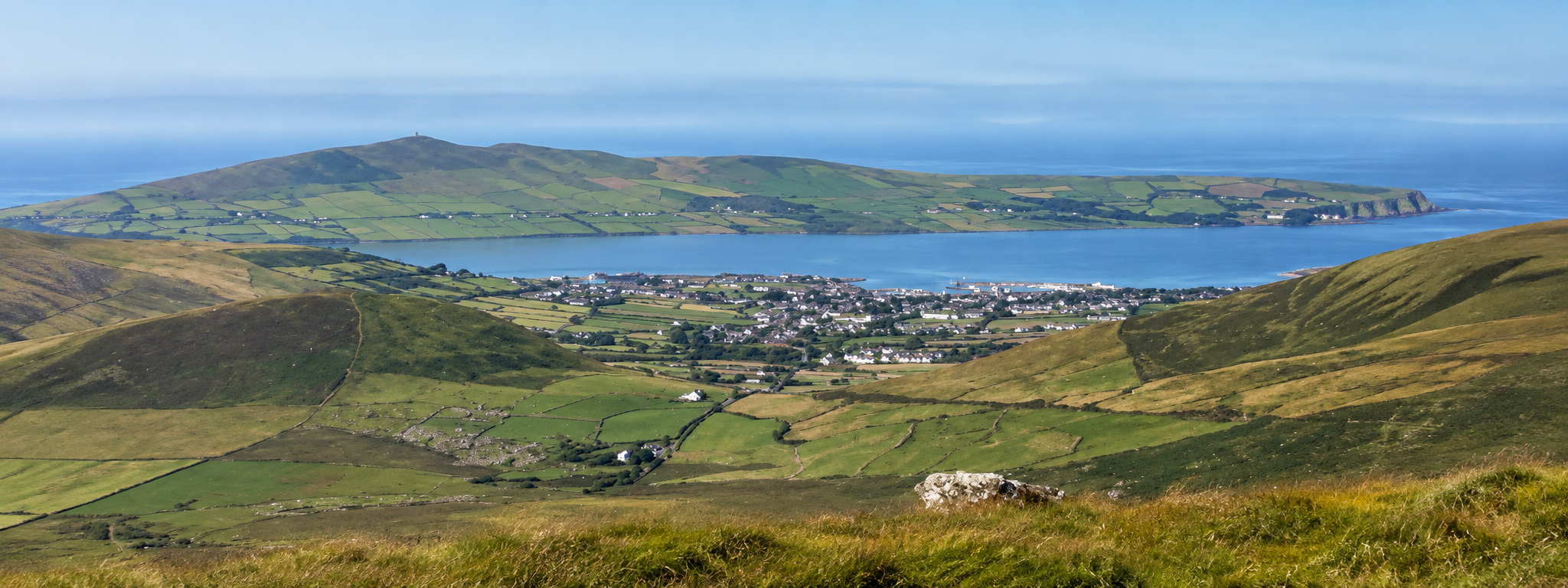
We spent three nights in Dingle.
It became one of our favorite stops in Ireland.
We have photographs of the peninsula, the harbor, the roads and the places we explored.
What we apparently do not have is a functioning collective memory of the name of our B&B.
We've tried to figure it out.
Eventually we realized something:
It doesn't matter.
The place was perfectly fine. We were comfortable. We slept well. It gave us a base for exploring Dingle.
It did its job.
That's an underrated category of successful accommodation.
Not every night of a trip needs to become a story.
If you're going to leave early in the morning and return after dinner, paying substantially more for an elaborate property you barely experience may not improve your trip at all.
Put the money, time or planning energy somewhere else.
In Dingle, the destination was the experience.
Our lodging simply made that experience possible.
Don't Choose a Lodging Type. Choose What You Need.
This was probably our biggest lesson.
You don't have to decide whether you're a hotel person, a B&B person, an Airbnb person or an unusual-lodging person.
You can be all of them.
On the same trip.
Instead of starting every accommodation search by asking “What's the best place to stay here?”, we now think it's more useful to ask what the accommodation needs to accomplish.
Do we want to walk everywhere?
Are we driving and need easy parking?
Do we want interaction with local hosts?
Will we actually be at the property during the day?
Would a memorable accommodation add something to this particular stop?
Are we ready for a little luxury?
Would we happily sacrifice some comfort for history or character?
Or do we simply need somewhere comfortable to sleep?
Those answers can change every few days.
Your lodging can change with them.
The Curated Verdict
🟢 GO FOR IT: Mix lodging styles when they add different things to the trip. Let an unusual stay be an experience, a rural property provide the setting and a hotel deliver comfort when comfort is what you need.
🟡 EVALUATE: Look beyond ratings and room photos. Location, parking, stairs, host interaction, breakfast, amenities, accessibility and how much time you'll actually spend there may matter more than whether one property scores a few tenths higher than another.
🔴 SKIP IT: Don't book every stop according to one rule. “We always stay in hotels” or “we only book local B&Bs” can eliminate options that might fit a particular part of the trip much better.
The Bottom Line
The best lodging on a trip isn't necessarily the fanciest, cheapest, most historic or highest rated.
It's the lodging that does what you need it to do.
Sometimes that means waking up in a treehouse.
Sometimes it means watching deer over breakfast.
Sometimes it means crisp sheets and hotel service.
Sometimes it means eating dinner by candlelight inside stone walls that have stood for centuries.
And sometimes the accommodation does its job so quietly that, a few years later, you can't even remember what the place was called.
That's okay.
Because you remember Dingle.
And sometimes that's exactly how a good lodging choice is supposed to work.