

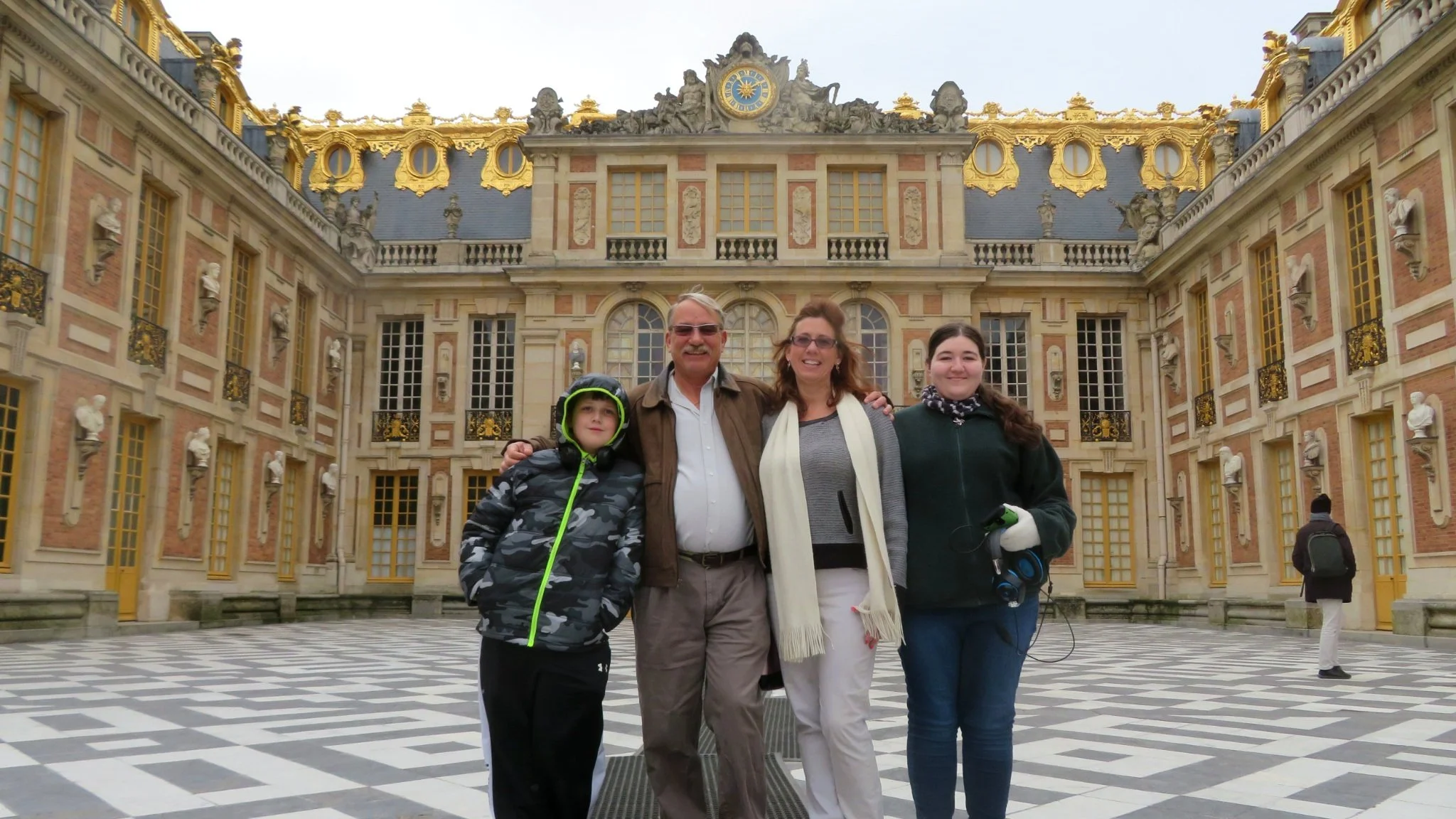
Christmas in Paris: The Family Vacation That Taught Us More Than We Expected
Six nights in France, four travelers, a Christmas morning arrival, and a family adventure that gave us some wonderful memories and a few valuable lessons about traveling together.
A Different Kind of Christmas
In December 2019, we decided to do something different for Christmas.
Rather than spend the holiday at home following our usual traditions, we wanted to give the family an experience. Something we could enjoy together, something memorable, and something that would introduce the kids to a different part of the world.
We chose Paris.
There were four of us: Gina, me, April, who was 21, and Owen, who was 11. For Gina and the kids, this would be their first major international travel experience.
We booked American Airlines flights departing Jacksonville on Christmas Eve, an apartment outside Paris for six nights, and a rental car.
The plan was simple enough. We'd enjoy Christmas in France, visit some of the city's famous attractions, explore a little, eat some good food, and make memories together.
And we did all those things.
But we also discovered that planning a vacation for four people doesn't necessarily mean planning the same vacation for four people.
More on that later.
Christmas Eve, Target, and a Cheesesteak in Philadelphia
Our vacation began with a reminder that sometimes the strangest part of travel happens before you reach the airport.
Gina was working part-time merchandising greeting cards for American Greetings. As we were preparing to leave for Jacksonville International Airport, her supervisor wanted her to stop at Target and stock Christmas cards.
On Christmas Eve.
Before an international flight.
For a job that took approximately 15 minutes.
We stopped anyway. The kids waited in the car while I helped Gina get the cards onto the shelves.
I couldn't help wondering about the people who were still shopping for Christmas cards on Christmas Eve. They'd had approximately 364 days to get ready, but apparently this was the moment.
Fifteen minutes later, our contribution to the American greeting card industry was complete, and we continued to the airport.
At Jacksonville, I dropped Gina, the kids, and the luggage at the terminal before parking the car and taking the shuttle back. No reason to drag everyone's bags onto the shuttle when we could avoid it.
Our flights took us from Jacksonville to Philadelphia, then overnight to Paris.
And since we were connecting in Philadelphia, there was one important piece of local culture I wasn't about to overlook.
A Philly cheesesteak.
Granted, we were in an airport, not standing in line at a neighborhood sandwich shop. But we were in Philadelphia, and I wasn't leaving without a cheesesteak.
It was a perfectly respectable way to begin an international vacation.
All four of us flew economy. We'd already earned the Lowest Fare Trophy, a distinction I discuss in Analysis Paralysis: When Is the Best Time to Buy Airline Tickets?, and there was no reason to start competing for any other travel awards.
The flights were smooth, the connection was easy, and we arrived in France on Christmas morning.
Our First Christmas Morning in France
For Gina, April, and Owen, arriving in Paris meant experiencing international immigration and customs for the first time.
After an overnight flight, navigating an unfamiliar airport, following signs in another language, and understanding which line to join can be intimidating.
They followed my lead, paid attention, and handled the experience very well.
There was some understandable confusion, but nothing went wrong. We cleared immigration, collected our luggage, and made our way through the airport without any real difficulties.
That's one lesson worth sharing with first-time international travelers: you don't have to understand every procedure before you arrive. Pay attention to the signs, have your documents ready, stay together, and take things one step at a time.
An unfamiliar process isn't necessarily a difficult one.
Our next stop was the Sixt rental counter.
I'd spent some time practicing French with Duolingo before the trip. My vocabulary wasn't going to impress a university professor, but I could manage a greeting and a few useful requests.
I wished the agent Joyeux Noël and asked, Une voiture plus grande, s'il vous plaît.
A bigger car, please.
We ended up with a roomier Volkswagen sedan.
A little effort with the local language had paid off almost immediately.
The Rental Car Was Part of the Plan. The Strike Wasn't.
We had deliberately rented a car.
Our Airbnb was in Romainville, outside central Paris, and I thought driving from Charles de Gaulle Airport to the apartment would be easier than navigating public transportation with four people and all our luggage.
I also planned to drive to Versailles.
For sightseeing in central Paris, however, my original plan was different. We'd leave the car at the apartment and use the buses and trains.
That would have eliminated the need to navigate central Paris traffic and find parking every time we wanted to explore.
Unfortunately, France was experiencing a major public transportation strike during our visit.
Bus and train service was disrupted, schedules were unreliable, and the transportation system was considerably less convenient than I'd anticipated.
So we adjusted.
We drove more than originally planned, used parking garages when necessary, and worked around the situation.
Was it ideal? No.
Did it ruin our vacation? Not remotely.
The rental car gave us flexibility when our original transportation plan became less practical.
The lesson: When deciding whether to rent a car, think about the entire trip, not just the airport transfer. Consider where you're staying, which attractions are outside the city, what public transportation is available, and how much flexibility you want.
And if you're planning to depend on public transportation, check for strikes, service interruptions, and holiday schedules before you travel.
A Home Outside the Tourist Center
Our Airbnb in Romainville turned out to be a good choice.
We paid $920.18 for six nights, approximately $153 per night, for an apartment with two bedrooms, two bathrooms, a terrace, and an assigned parking space beneath the building.
We had room to spread out, a kitchen, and a neighborhood bakery and grocery store nearby.
Those conveniences made a difference.
Instead of buying breakfast at a restaurant every morning, we could enjoy eggs, pastries, and coffee at the apartment before heading out.
And at the end of a day of sightseeing, everyone had somewhere comfortable to relax.
Our host, Fabio, was especially helpful on Christmas morning. Although our scheduled check-in wasn't until 3 p.m., he arranged for us to enter around noon.
We found a bakery that was open on Christmas Day, enjoyed coffee and pastries, and waited until the apartment was ready.
By early afternoon, we were unpacked and settling in.
We didn't have an elaborate Christmas Day itinerary. After an overnight flight, a relatively relaxed arrival made much more sense.
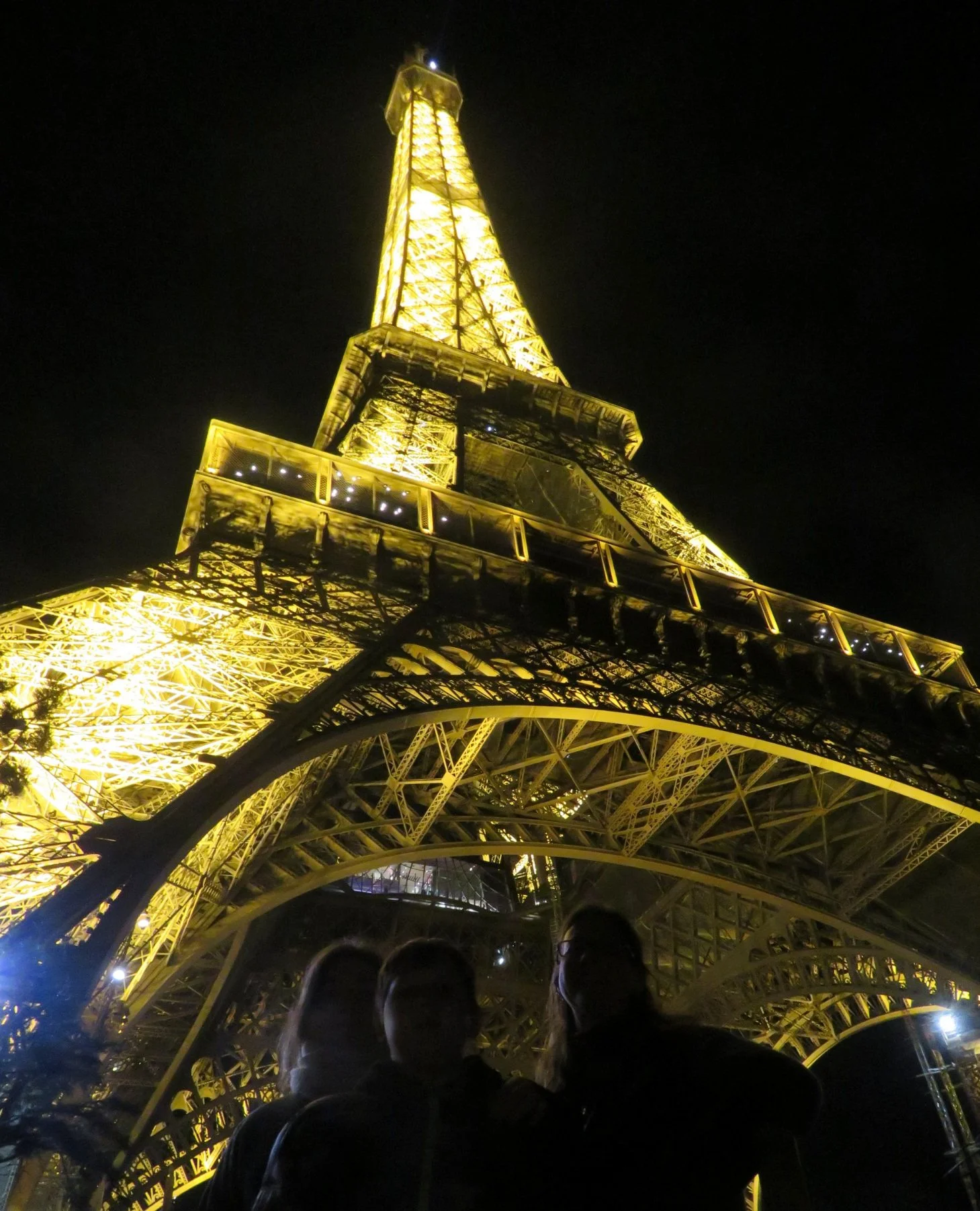
That evening, we ventured into Paris for a little sightseeing, including our first look at the Eiffel Tower illuminated at night.
We didn't go up the tower that evening. That would come later in the trip.
We simply enjoyed being in Paris on Christmas night.
The lesson: Staying outside a major city's tourist center can offer excellent value, especially for families. But calculate the transportation trade-offs before booking. A less expensive apartment isn't automatically a bargain if getting to the attractions becomes inconvenient or expensive.
For us, the extra space, parking, and neighborhood conveniences were worth having.
The Famous Sights Were Famous for a Reason
Over the following days, we explored many of the places that had brought us to Paris in the first place.
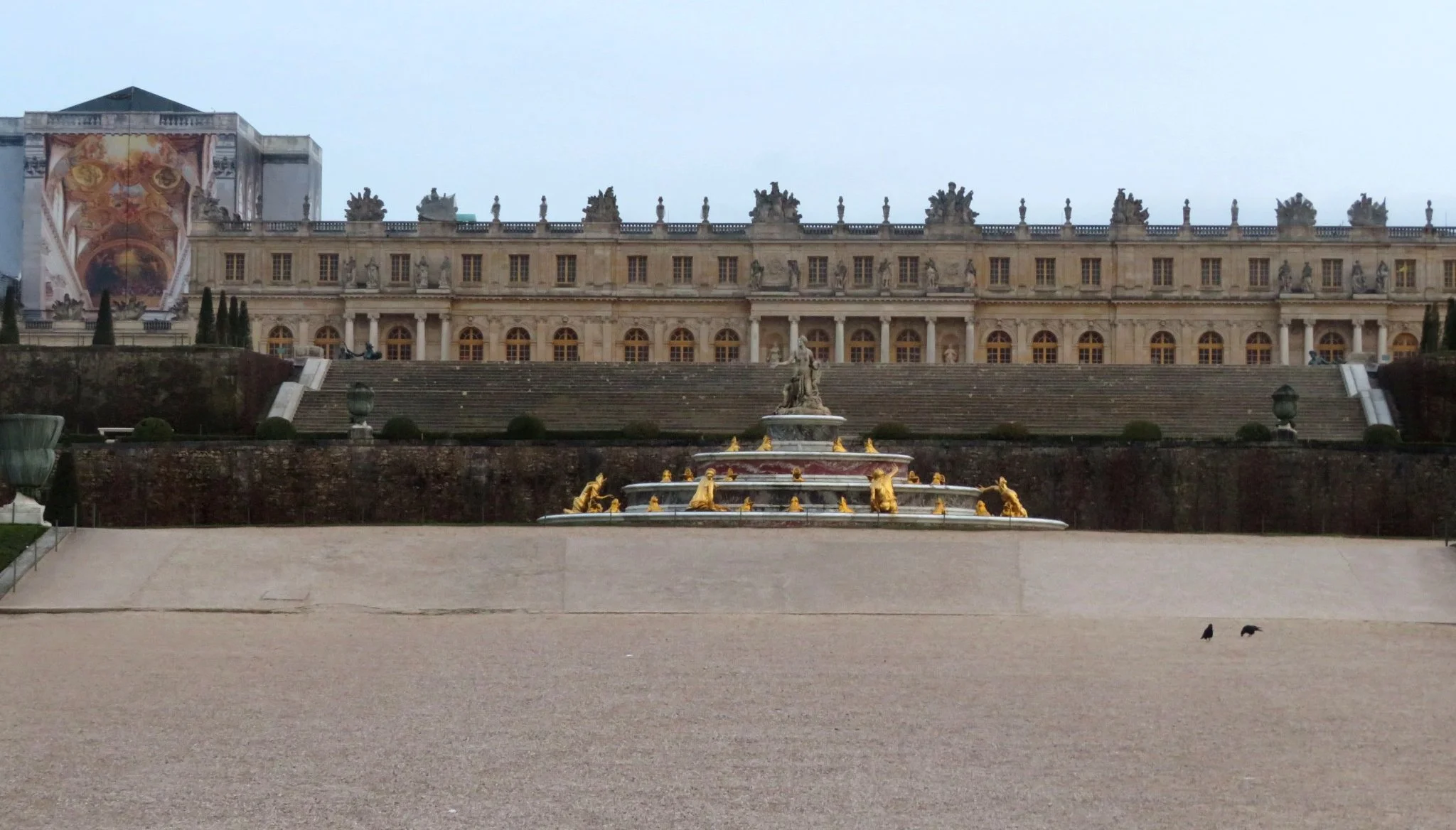
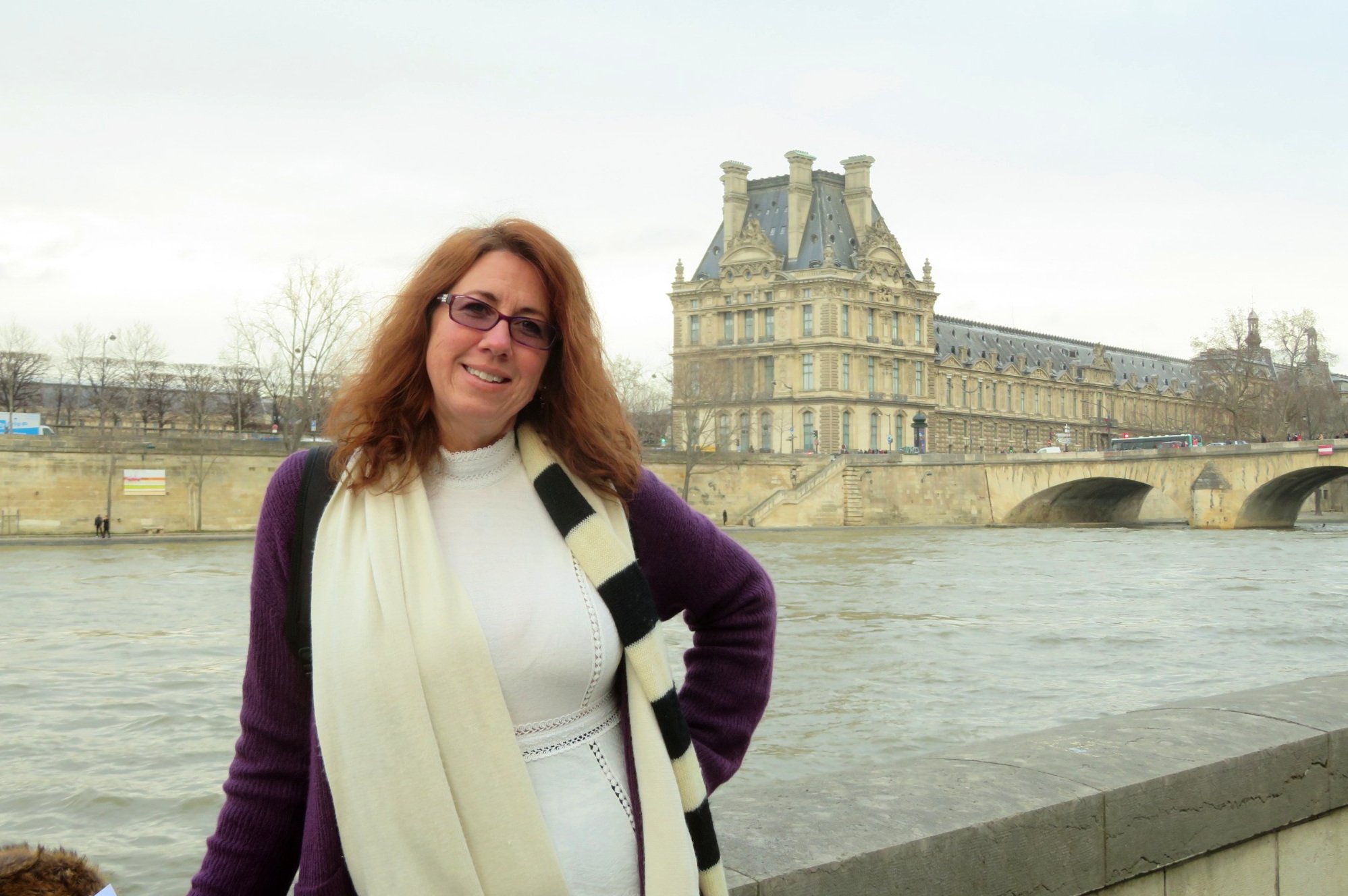
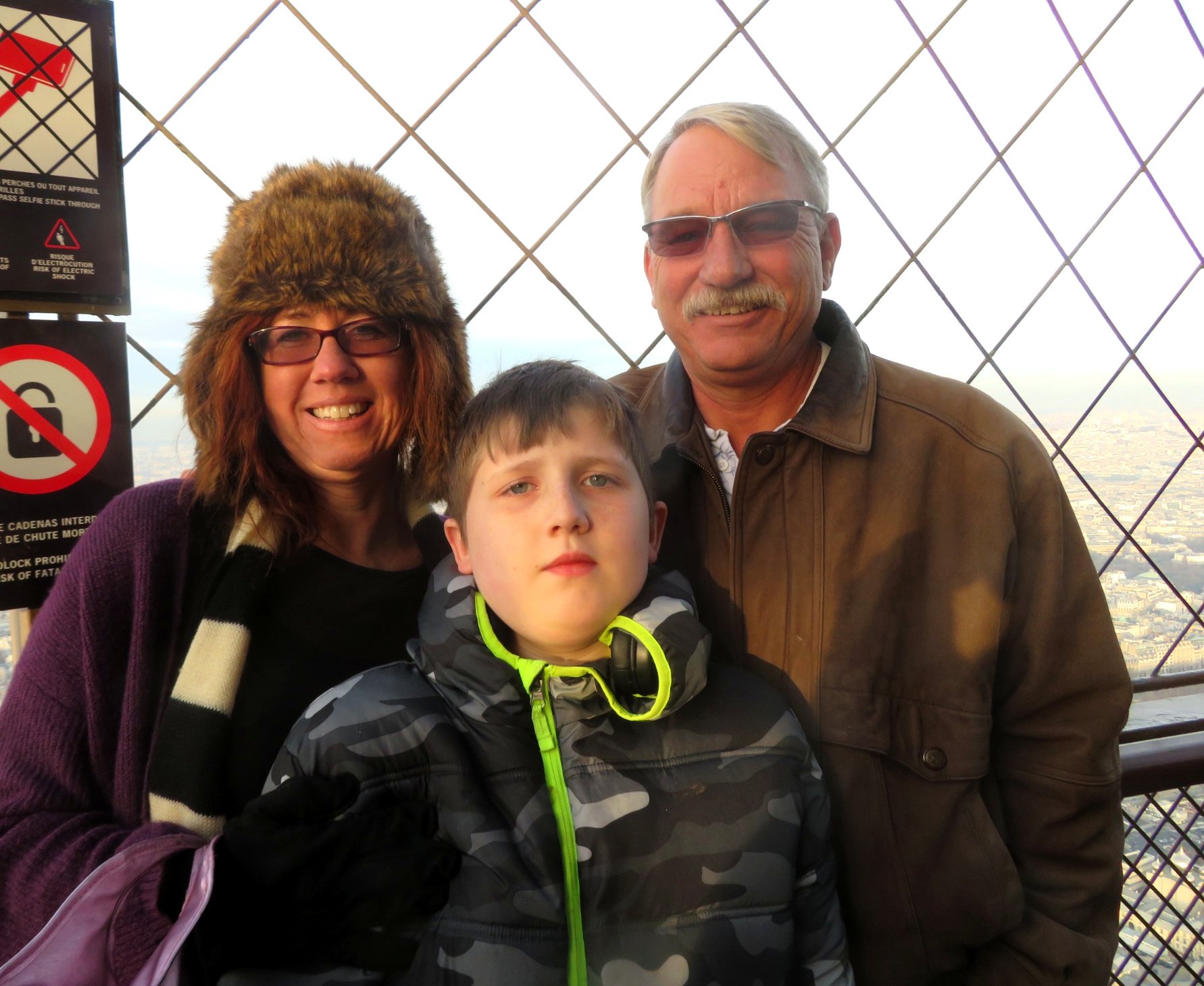
We went to the top of the Eiffel Tower, visited the Palace of Versailles, explored the Louvre, and enjoyed a nighttime sightseeing cruise along the Seine.
Each experience had something different to offer.
The Eiffel Tower gave us a remarkable perspective on the city. From above, we could see how different periods of Parisian architecture fit together across the landscape.
Versailles was impressive, but one of our favorite memories came before we even entered the palace. We unexpectedly discovered a farmers market and spent time sampling local products and browsing the stalls.
That unexpected stop turned out to be one of our favorite parts of the day, and there's much more to the story in Versailles in Winter: A Palace, a Market, and a Surprise.
At the Louvre, we discovered that the world's most famous painting isn't necessarily the one that will leave the greatest impression on you. I was far more captivated by the intricate craftsmanship of some of the other artwork.
We paired our Louvre admission with a Seine sightseeing cruise, which gave us a completely different perspective on the city after dark.
The museum and the river cruise made an interesting combination, giving us two very different views of the city. We share more about both experiences in The Louvre and a Seine River Cruise: Two Views of Paris, One Ticket.
And while the landmarks were memorable, they weren't the only highlights.
Gina and I attended a cheese-and-wine tasting that introduced us to wonderful French cheeses, interesting pairings, and fellow travelers from around the world.
I earned an A in eating and drinking.
An F in remembering the explanations.
Some of those smaller experiences ended up being just as memorable as the famous attractions, which is why we're giving them their own story in Beyond the Landmarks: The Smaller Experiences That Made the Trip Memorable.
We also attended a cabaret performance and encountered a sidewalk crêpe vendor who suddenly pedaled away before I could place my order.
Apparently, the police had arrived.
My Nutella-and-strawberry ambitions would have to wait.
A Little Culture Shock Is Part of the Experience
One of the reasons to travel internationally is to experience places that aren't exactly like home.
Paris gave us plenty of opportunities.
We encountered a different language, different food, different customs, and a different rhythm of daily life.
Some things were familiar. Others took a little getting used to.
We also saw aspects of city life that aren't featured prominently in vacation brochures, including people living in makeshift encampments beneath overpasses near the airport.
It was a reminder that the Paris of postcards and the Paris people live in every day aren't always the same place.
Travel doesn't require us to enjoy everything we encounter. It does give us an opportunity to observe, learn, and better understand that the world extends well beyond our usual surroundings.
For the kids, particularly at their ages, this was a significant introduction to international travel.
And for Gina and me, it was another opportunity to see how differently people can respond to the same experience.
The lesson: Prepare first-time international travelers for differences without making those differences sound frightening. Talk about language, food, customs, and what they might encounter.
A little preparation can turn uncertainty into curiosity.
Four Travelers, Four Sets of Expectations
Here's where we learned one of our most important lessons.
Just because everyone is going to the same destination doesn't mean everyone is looking forward to the same things.
Gina and I enjoy history, architecture, museums, and exploring places at our own pace.
At 11 and 21, the kids naturally had different interests.
That didn't mean they disliked the entire trip. It meant some experiences appealed to them more than others.
And that's perfectly reasonable.
An 11-year-old who isn't fascinated by a museum in 2019 may develop a completely different appreciation for history and travel as an adult.
Interests change. People change.
A vacation is a snapshot of who everyone is at that particular moment, not a permanent verdict on what they'll enjoy for the rest of their lives.
Looking back, I think we could have done a better job balancing the itinerary around everyone's interests rather than assuming the same attractions would be equally rewarding for all four of us.
That's not an indictment of the trip. It's something we learned from taking it.
The lesson: When planning a family vacation, particularly with children of different ages, ask everyone what they're most interested in doing.
Give each traveler something to anticipate.
And don't mistake a lack of enthusiasm for one activity as a lack of appreciation for the entire vacation.
What Worked, What We'd Change, and What We'd Keep
Seven years later, it's easier to see the trip with some perspective.
We made several good decisions.
The apartment gave us space and comfort. The rental car provided flexibility during the transportation strike. We visited remarkable attractions, discovered experiences we hadn't anticipated, and enjoyed spending Christmas somewhere entirely different.
We also learned things we'd approach differently.
We'd involve everyone more in selecting activities. We'd be more deliberate about balancing sightseeing with individual interests. And we'd recognize that an itinerary that appeals to two adults might need some adjustment when traveling with children.
Looking back, there are several decisions we'd happily make again and a few we'd approach differently. We take a closer look at those choices, from where we stayed to how we got around, in Six Days in Paris: What We'd Do Again and What We'd Change.
None of those lessons means the vacation was a mistake.
Quite the opposite.
The experience helped us understand what worked for our family at that point in our lives.
Since then, we've continued traveling in different ways.
Gina and I enjoy road trips, cruises, all-inclusive resorts, and spending a week or more in one location while exploring the surrounding area.
We've also taken three cruises as a family, and those worked particularly well for the kids. Cruises offered a variety of activities, entertainment, and dining choices, allowing everyone more freedom to enjoy the vacation in their own way.
But cruises aren't the only way we travel, and they aren't a universal answer for every family.
We've taken other family trips on land, too.
The important thing isn't choosing one style of vacation and repeating it forever.
It's understanding the people you're traveling with and selecting experiences that fit.
A Vacation Doesn't Have to Be Perfect to Be Worth Taking
I've occasionally used the expression “no thank you bites” when talking about travel.
It's the idea that sometimes you need to try something before you can decide whether it's for you. You might discover a new favorite. Or you might decide you've experienced enough of that particular thing.
It's a philosophy I explore in Try Something New: The No Thank You Portion.
Our Christmas vacation included a few of those moments.
But it also included wonderful experiences, plenty of laughter, and memories that have stayed with us for years.
I wouldn't describe the entire vacation as one big “no thank you bite.” That wouldn't be fair to Paris, or to the good time we had there.
What I would say is that we learned something valuable about traveling together.
And that's worth remembering when planning your next vacation.
You can research hotels, compare airfares, study transportation maps, and build a terrific itinerary.
But you also need to think about the people who will be sharing that experience with you.
What excites them? What makes them uncomfortable? How much structure do they want? How much independence?
And perhaps most importantly, are you planning a vacation everyone can enjoy, or simply inviting everyone along on the vacation you'd most like to take?
Our Christmas in Paris gave us a chance to answer those questions.
We saw some extraordinary places.
We had some great experiences.
We discovered a few things we'd do differently.
And we came home knowing a little more about the world and a little more about ourselves.
I'd call that a worthwhile Christmas present.